
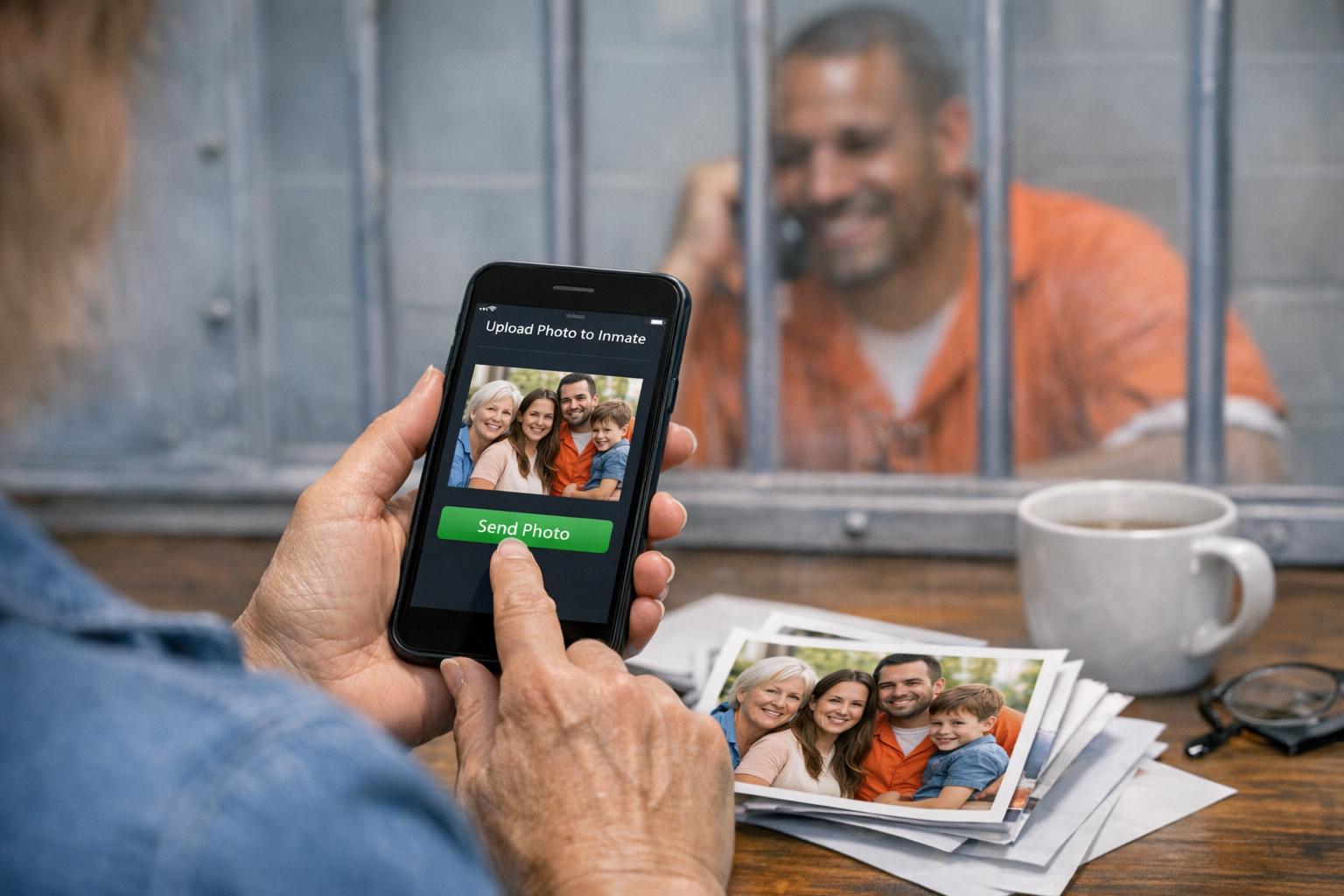
## Best-App-To-Send-Photos-To-Inmates: What To Look For
If you’re trying to keep a connection with someone behind bars, photos mean more than a file on a phone. They remind a person who they were before the cell, who’s waiting for them afterward, and what the little moments looked like. Picking the best-app-to-send-photos-to-inmates matters because rules vary by facility, and a slick interface won’t help if the service gets rejected.
Start with the basics: does the facility accept digital photos at all? Some jails only allow photos through specific vendors. Next, check turnaround and delivery format. Some services send digital images directly to an inmate’s approved tablet; others print and deliver physical copies. Fees matter too. A platform that charges a convenience fee on top of postage can add up quickly if you send photos regularly.
Finally, look for transparency. The best-app-to-send-photos-to-inmates will show you exactly what’s allowed, what isn’t, and give clear previews so your photo doesn’t get rejected for a stray logo or a hand gesture that’s considered contraband in that institution.
## Methods Apps Use To Deliver Photos
Most inmate photo apps fall into a few patterns. Knowing the differences will help you avoid surprises.
### Electronic Delivery To Inmate Tablets
Many facilities provide tablets through contracts with companies like JPay or GTL. When an approved app sends a photo, it lands on the inmate’s device for viewing. This is fast and usually cheaper than printed mail, but it depends entirely on the facility’s tech setup.
### Print-And-Deliver Services
Some vendors print photos, sometimes resize them to a specific dimension, and deliver them through the facility’s internal mail. That’s where quality control matters: cropping, borders, and paper type affect whether the photo will be accepted. This method can take longer but is often the only option in facilities that don’t support tablets.
### Email-To-Mail Conversion
A few services accept digital uploads from families, then convert and print them at a central facility before sending the physical photos. It’s a middle ground—digital convenience for the sender, physical delivery for the inmate.
## Features To Prioritize In An Inmate Photo App
You can be pragmatic about this. Not every feature is worth the extra cost.
### Clear Facility Compatibility
Make sure the app explicitly lists the facility. The best-app-to-send-photos-to-inmates will let you search by state and facility name so you don’t waste time uploading an image that can’t be delivered.
### Preview And Edit Tools
A small crop or a removed background can mean the difference between acceptance and rejection. Apps that let you preview how a printed photo will look, or automatically flag prohibited content, save headaches.
### Detailed Content Guidelines
Look for an app that explains the rules in plain language. If they only give vague “follow rules” notes, you’ll be guessing. Good apps will call out specifics: no nudity, no gang signs, no pictures with contraband objects, etc.
### Reasonable Fees And Clear Billing
A service that hides extra fees until checkout is a red flag. The best-app-to-send-photos-to-inmates will clearly show per-photo charges, delivery fees, and refund policies.
### Delivery Tracking And Notifications
You want to know if the inmate received the photos. Apps that provide tracking or delivery confirmations are worth a little extra.
## Comparing Popular Options
There isn’t a single universal winner. Which app is “best” depends on the facility and what you need.
### JPay, GTL, And Vendor Platforms
Big vendors partner directly with correctional facilities. They’re usually reliable and fast when the jail supports their system. But they can be more expensive and sometimes restrictive about content. If your facility is on one of their lists, you’ll likely use their inmate photo app.
### Third-Party Photo Services
Independent services act as middlemen: you upload, they check compliance, print or forward. They can be helpful when the facility accepts physical photos only. Expect extra handling time—and always confirm their compliance checks are robust.
### Inmate Photo Sharing Apps With Social Features
A few newer services add messaging or group-sharing features for families. They can be nice for large families wanting a shared album, but be cautious: social features can introduce privacy risks, and not every jail allows group uploads.
## Practical Tips For Choosing The Best App
You can avoid a lot of frustration with a handful of practical checks.
#### Confirm Facility Acceptance First
Call the facility’s mailroom or check their website. It’s the single best step. Policies change often; a vendor app listing doesn’t guarantee current acceptance.
#### Keep Photos Simple
No alcohol bottles, no suggestive clothing, no gang colors. Stick to faces, pets, and safe scenery. A plain background reduces rejection chances.
#### Mind File Specs
Many inmate photo apps enforce limits: maximum file size, accepted file types, and resolution. Resize photos beforehand if needed. The right dimensions reduce cropping problems.
#### Use Clear Labels And Return Info
If the app or facility requires your name or return address on the photo envelope or metadata, include it. Small administrative mistakes delay delivery.
#### Budget For Recurring Costs
If you plan to send monthly photos, tally the per-photo cost, shipping, and processing fees. Some apps offer subscription plans; others give discounts for bulk orders.
## Security, Privacy, And Records
This is where things get murky for a lot of families. The best-app-to-send-photos-to-inmates should be transparent about how it stores images and what access staff have.
### Who Sees The Photos?
In most cases, correctional staff can view incoming photos as part of the approval process. Apps that store copies in the cloud should state retention policies. If privacy is a big concern, choose a vendor that deletes images after delivery or offers an opt-out for cloud storage.
### Payment Logs And Records
Payment records can end up in an inmate’s financial ledger. If maintaining low visibility matters—some inmates face scrutiny over who’s sending funds—ask how transactions are recorded and displayed.
### Data Protection
Look for standard security features: HTTPS, basic encryption, and a clear privacy policy. Don’t assume an app is secure just because it looks modern.
## Common Pitfalls Families Run Into
Here are real-world problems people hit all the time.
### Sending Wrong Image Sizes
People send a full-resolution camera photo and the vendor automatically crops it poorly. Pre-crop to the aspect ratio the app requires.
### Ignoring Facility-Specific Rules
A picture acceptable at a state prison may be forbidden at a county lockup. Don’t assume rules are universal. Call if you’re unsure.
### Relying On Free Trials
Some apps let you try once free, but the trial may exclude the most useful delivery options. Read the small print before trusting it for time-sensitive photos.
### Misreading “Delivered” Status
Delivered in the app can mean “accepted for processing,” not “handed to inmate.” Track carefully and ask the vendor what their status labels mean.
## How To Make Photos That Actually Matter
Photos that resonate have clarity, context, and a small story attached.
#### Focus On Faces
A clear close-up of a smiling family member speaks more than a wide shot where the inmate can’t see details. Use natural light and avoid heavy filters.
#### Add Handwritten Notes
If the app supports a scanned image of a handwritten note, include a short message. It feels personal and is harder to fake than typed text.
#### Rotate Old Photos Into New Contexts
If you’ve already sent holiday photos, try seasonal snaps or small progress photos—like a garden growing. They show life continuing and offer comfort.
#### Respect Cultural And Facility Norms
A photo that’s casual in your family might be misinterpreted behind bars. When in doubt, ask someone who knows the facility’s culture.
## When Photos Are Rejected: What To Do
It happens. And usually it’s fixable.
### Read The Rejection Reason Carefully
Vendors often list the reason: size, content, or a technical error. Read it. Fix it. Resend.
### Ask For A Manual Review
If an image is rejected for an unclear reason, request a human review. Automated systems can be conservative.
### Keep A Record
Save the original files, timestamps, and any rejection emails. It’s useful if disputes arise or if you need to show persistent issues to the vendor or facility.
## Final Practical Notes On Costs And Expectations
Expect variability. The best-app-to-send-photos-to-inmates will be different for someone in a small county jail than for a person in a state prison with tablets. Some apps charge per-photo fees that seem low until you add handling. Others bundle photos with messaging features for a higher monthly cost. Decide whether speed or lower cost is more important.
People sometimes beleive that the cheapest option is the best long-term choice. It isn’t always. Cheaper vendors might have slower processing, poorer quality prints, or less reliable customer service. If you send photos to support someone daily, investment in a dependable platform pays off.



Leave a Reply