
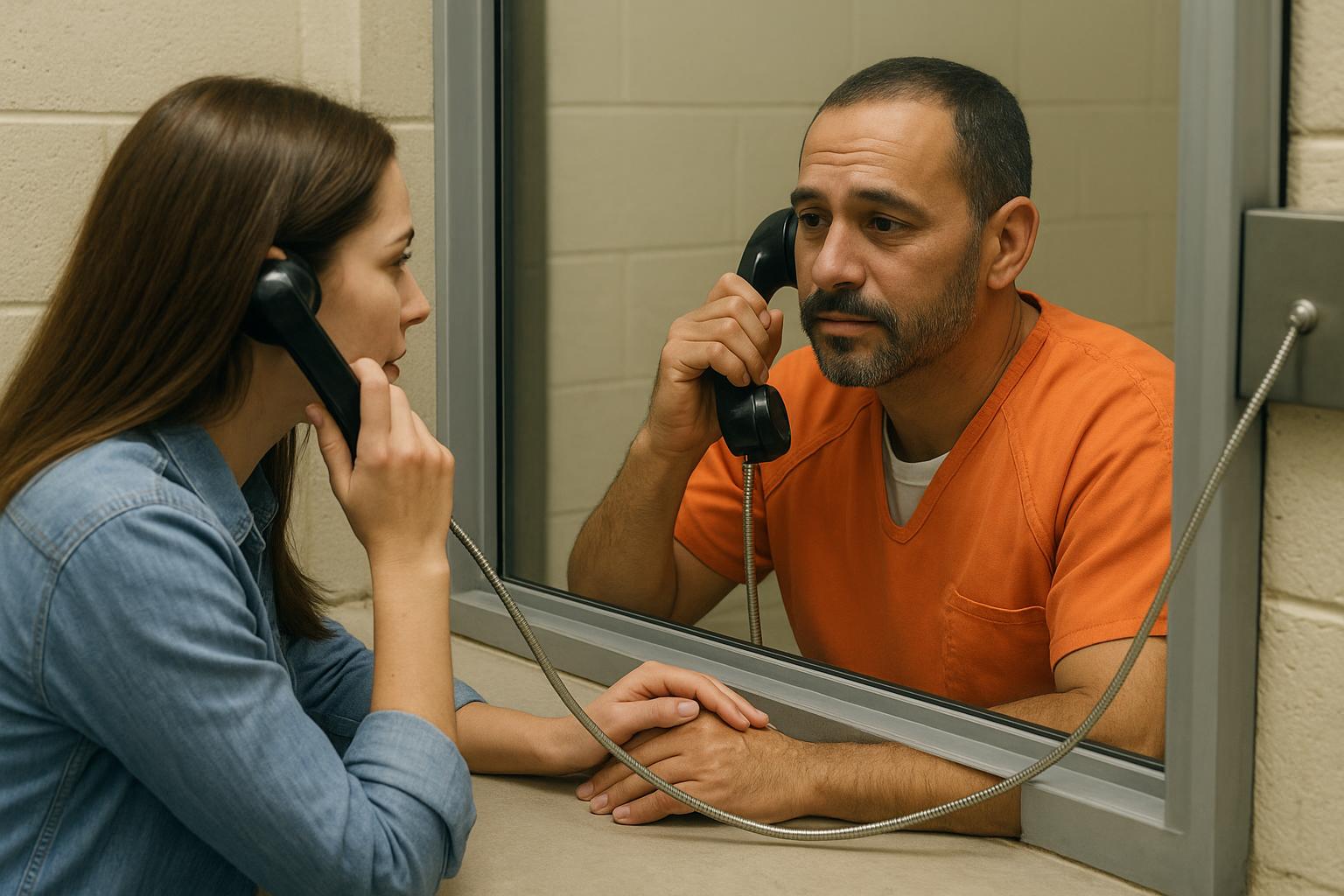
Showing up matters more than grand gestures. Visiting someone in jail or prison is one of the clearest ways to keep a relationship alive, but the logistics, rules, and emotions make it harder than it should be. If your goal is to make visits fewer mistakes and more meaningful, the work starts before you walk through the gate.
## Practical Tips For Supporting An Incarcerated Loved One During Visits
Practical tips for supporting an incarcerated loved one aren’t glamorous. They’re about paperwork, timing, and small emotional choices that add up. First, know the facility’s rules like you know your own calendar: visiting hours, dress code, ID requirements, whether you need an appointment, who’s allowed on the approved list. Facilities change rules without much notice. Call the facility a few days before the visit and again the morning of.
Pack a “visit kit.” Not snacks — most places forbid them — but the things that make the conversation flow: a recent photo, a short list of updates you want to share, and stamped envelopes if mail is helpful. Bring a mental plan too: an opening question, one small story, and three things you don’t need to discuss (money owed, court strategy, or details that can make a visit turn sour). These small boundaries keep visits focused and less draining.
## Plan The Visit Carefully
Plan visits around energy and emotion, not obligation. If you just lost sleep or are coming straight from a fight, reschedule. Visits are emotional work; don’t treat them like chores.
### Book Time Wisely
If the facility allows longer or private visits, use them for deeper conversations and legal updates. Short, public slots are better for practical updates and maintaining connection. If your loved one has a specific visiting window, try to rotate visitors so they feel regular support without burning you out.
### Prepare Documents And Logistics
Bring the exact ID required. Many places won’t accept expired documentation. If you need approval forms or background checks, start that process weeks early. Keep phone numbers for the facility and the booking office in multiple places: your phone, a paper note in your wallet, and a quick email to yourself. Small redundancies prevent missed visits.
## Emotional Work Before, During, And After Visits
Visitation support is part logistics and part emotional labor. People who visit regularly often develop rituals that make the time usable and less raw. A ritual can be as small as a five-minute walk afterward to decompress, or a set of questions you always ask to keep conversations forward-looking.
### Manage Expectations
Visitation tips here: accept that visits rarely resolve big issues. Don’t go in expecting confessions, breakthroughs, or immediate apologies. Aim for steady presence. If you set a goal for every visit — share one good memory, bring a new photo, or read a poem — those small goals feel achievable and meaningful.
### Keep Emotions Tethered
Use a personal signal to prevent spiraling. It can be a short phrase you repeat in your mind, a pattern of breathing, or a hand on your pocket. If a conversation becomes tense, steer to neutral topics: updates about mutual friends, a funny story from outside, or a planned activity for later. You’re not faking care. You’re choosing to keep the visit constructive.
## What To Say And What To Avoid
Words matter more in a visitation room than anywhere else. Speak plainly. Avoid long lectures. Don’t bring up anything that will require immediate action you cannot follow through on.
### Useful Conversation Starters
– “Tell me one thing that went well this week.”
– “What have you read lately?”
– “Do you want me to bring anything next time?”
These openers invite manageable responses. They put the power back with your loved one to pick the tone of the visit.
### Topics To Avoid
Skipping certain topics is a form of care. Avoid detailed legal advice unless you’re a lawyer. Don’t debate the past or rehearse every mistake. Avoid discussing other people’s legal situations unless your loved one asks. If money is a trigger, set rules before the visit about how to handle requests.
## Practical Preparations For Different Types Of Facilities
Visitation support looks different depending on whether you’re visiting jail, state prison, or federal prison. Jails often have short, frequent visits; prisons have longer but stricter schedules.
#### Jails Versus Prisons
Jails move people more frequently. Expect last-minute cancellations. Pack flexibility into your schedule. In state or federal prisons, visits are more stable but the security is tighter. You might have to pass through metal detectors or be subject to clear bag rules.
#### Long-Distance Considerations
When travel is involved, think about timing and budget. Use travel apps to find affordable lodging near the facility. If you’ll be staying overnight, choose lodging with a kitchen so you can prepare simple meals. One visit can cost a day or more; plan realistically and avoid overcommitting.
## Practical Tips For Supporting An Incarcerated Loved One With Money And Mail
Money can be the hardest issue. Sending funds helps with commissary purchases and phone calls but can create dependency or resentment. Practical tips for supporting an incarcerated loved one include setting boundaries and communicating them clearly.
### Set Clear Financial Boundaries
Decide what you will pay for: commissary, phone cards, postage, or legal fees. Write it down and stick to it. If you agree to send money, do so through approved channels only. Unofficial transfers can get both of you into trouble.
### Use Mail To Reinforce Stability
Letters are a calm, durable way to show care. Mail photos, short notes, or printed news clippings. Keep letters brief but regular — weekly or biweekly. A predictable rhythm can be more valuable than long, sporadic messages. Mail encourages reflection. It gives your loved one something to re-read.
## Navigating Rules And Staff Interactions
Staff are gatekeepers. Treating them with respect speeds things up. You don’t have to be chummy, but polite clarity goes far.
### Build A Simple Relationship With Staff
Learn the names of the officers you interact with and use them. Ask direct questions rather than complaining about policy. If something goes wrong, document it immediately — note the time, names involved, and what happened. That record helps when you need to escalate a problem.
### Use Official Channels For Complaints
Many facilities have formal grievance processes. Use them when necessary. Keep copies of any forms you submit and follow up if you don’t hear back. Procedural persistence often beats emotional appeals.
## Bring Small Practical Comforts
Visitation tips often focus on emotion; don’t forget the physical side. Comfortable shoes for long lines. A paper tissue to wipe away tears. A printed list of questions so a stressful moment doesn’t erase what you intended to say.
– Keep clothing simple and compliant with dress codes.
– Carry basic hygiene items if allowed, like gum or a comb.
– Bring a small stack of stamped, addressed envelopes if mail is helpful.
These small things remove friction and make time together smoother.
## Create A Visit Aftercare Plan
Visits stir up thoughts and plans. Without a short debrief, you’ll leave the facility carrying a heavy emotional load. Aftercare makes visits sustainable.
### Debrief With Someone Outside
Call or meet a friend right after the visit to say a few sentences about how it went. This can be a quick five minutes to process immediate feelings. If you don’t have someone, sit quietly for ten minutes and write three sentences about the visit to clear your head.
### Track Follow-Up Tasks
Make a small list of follow-ups: send a requested item, look up a lawyer referral, or set the date for the next visit. Completing one small task quickly reduces anxiety and shows your loved one that the visit had practical results.
## Involve Professional Support When Needed
Practical tips for supporting an incarcerated loved one should include knowing when to bring in professionals. Social workers, reentry programs, and legal aid organizations can provide services and information you can’t.
### Use Community Resources
Look for local organizations that offer visitation support, transportation, or counseling. These groups often have practical experience with specific facilities and can save you time. Many offer family education workshops that teach how to interact during visits, understand paperwork, and plan for reentry.
## Keep Your Own Life Stable
You can’t be helpful if you’re depleted. Practical tips for supporting an incarcerated loved one include protecting your job, relationships, and health. If visits are taking a toll, scale back. It’s better to provide consistent, sustainable care than an irregular all-in effort that burns out.
Visit scheduling can be adjusted. So can frequency. Make choices that preserve your ability to be steady over months and years.
Practical tips for supporting an incarcerated loved one are rarely dramatic. They’re evidence of follow-through: calls at scheduled times, consistent letters, reliable visits, and honest boundaries. They keep a person anchored while the system moves slowly. They also keep you sane. After a visit, you should still have something left to give. And that matters. Mispelled words in a letter can even feel human, as long as the message is steady and true.



Leave a Reply