
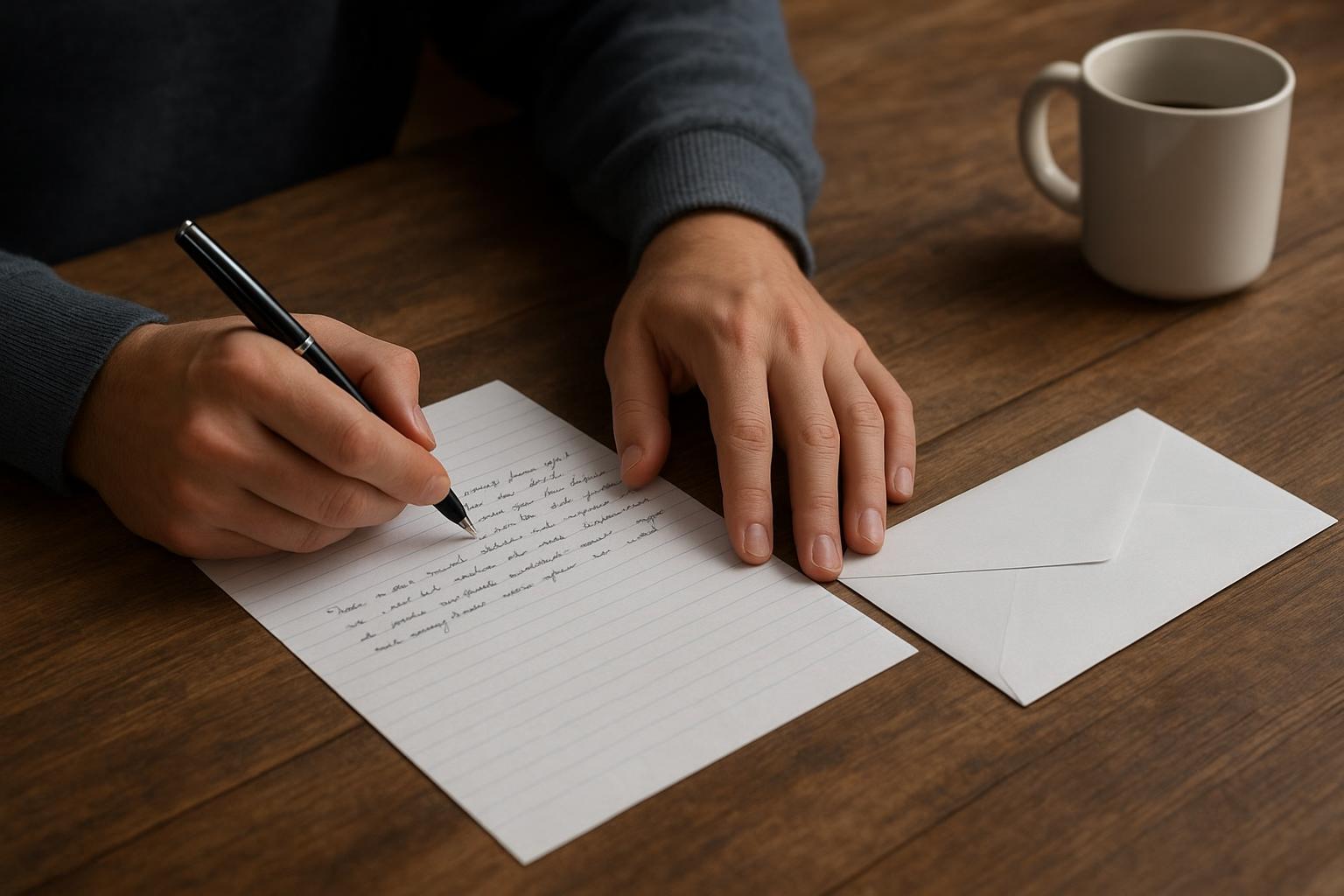
## How-To-Address-An-Inmate-Letter: Practical Steps For Family
Start with the facts. A single wrong line on an envelope can mean a letter never reaches the person you’re trying to contact. When you learn how-to-address-an-inmate-letter, you save time and worry. Here’s what to do, step by step, with real details that matter.
### Gather The Inmate’s Exact Details
You need three things: the inmate’s full legal name, their ID or booking number, and the facility’s official mailing name and address. Use the inmate’s legal name as it appears in the facility system. Nicknames or initials often get mail returned.
Look up the facility’s listing online or call the facility switchboard. Many jails and prisons publish rules and the correct inmate letter address on their websites. If you find the address through an inmate lookup tool, copy it exactly. Small differences matter – a missing unit number or the wrong facility name can stall delivery.
### How-To-Address-An-Inmate-Letter On The Envelope
Center the recipient block on the front of the envelope. Put your return address in the top left corner. The basic layout works like this:
Name Line
ID or Booking Number Line
Facility Name And Mail Unit
Street Address Or PO Box
City, State, ZIP
For example:
John A. Smith
Inmate #123456
Greene County Jail – Mailroom
PO Box 789
Springfield, OH 45502
If a facility uses a private vendor (a common setup for larger systems), the packaging might require that vendor’s address and a specific processing code. In those cases the inmate letter address will include that processing center name and a unique identifier. Always use whatever exact format the facility provides.
### Return Address And Sender Rules
Write your full name and address on the upper left. Some facilities reject mail with inside pages that have no return address or with anonymous envelopes. Use a clear, legible hand. If you’re sending photos or thicker cardstock, check the facility’s rules first – they often limit size and forbids staples or paperclips.
Many facilities will also require you to include a valid return address that matches the sender’s name. If you forget to include it or put incomplete info, the letter may be destroyed or held.
#### Example Of An Envelope Layout
John A. Smith
Inmate #123456
Greene County Jail – Mailroom
PO Box 789
Springfield, OH 45502
From:
Maria Jones
123 Maple St.
Hometown, OH 45000
### Check Facility Rules Before Mailing
Facilities are not uniform. County jails, state prisons, federal prisons and privately run centers each have different restrictions. Photos may be limited by number or content. Enclosures like cash, stamps, or packages are often prohibited. Some systems screen mail and scan it into digital form before delivering. That’s why the inmate mail address can sometimes be a central processing center, not the physical prison address.
Call the facility or read their inmate mail policy. It takes a few minutes and prevents problems. Look for specifics on paper size, pen type (no gel pens at some places), acceptable photos, and whether greeting cards are allowed. If the policy says mail needs to be plain white or lined paper, follow that.
### How-To-Address-An-Inmate-Letter For Different Facility Types
Federal prisons usually require the Federal Bureau of Prisons format, which includes the inmate register number and the full facility name. State prisons follow state DOC rules. Local jails tend to be stricter about content and turnaround time, because people move in and out faster.
If the inmate is in a county jail, include the booking or housing unit number if available. For federal or state facilities, include the register number and the facility’s exact name as listed by the system. When in doubt, contact the records office and ask what exact inmate letter address you should use.
### International And Out-Of-State Mail Considerations
When sending from another country or state, include country and full state abbreviations. Customs forms are not usually needed for plain letters, but if you’re including items like books or money orders, check customs rules and facility policies. International mail can take much longer, so write clearly and allow extra time for delivery.
If the facility requires the mail to go through an off-site vendor, follow their packing and addressing instructions. The vendor can reject incorrectly labeled mail, which will delay delivery. Before you send anything: verify the inmate mail address and the unit code if one is required.
### What To Write Inside The Letter
Keep it personal and simple. Start with a greeting, say why you’re writing, and mention everyday details that matter. Avoid discussing anything that could be considered contraband – instructions for illegal activities, weapons, or escape plans are strictly off-limits. Do not send legal advice unless you’re a licensed attorney.
If the inmate is awaiting trial, be careful about commenting on the case in a way that could be problematic. Also avoid sending money inside the letter. Use the facility’s commissary deposit options instead. If you want to include photos, check limits on size, number, and content.
### Tracking And Follow-Up
Mail does get lost. If a letter doesn’t arrive, first confirm your return address was included and formatted correctly. Then contact the facility mailroom or records office. Some systems offer tracking for mail handled by a vendor. Use that service if it’s available.
Keep a copy of letters you send, or make a simple log with dates and contents. That makes it easier to troubleshoot if something goes missing. Also note when you used the facility website to find the inmate letter address so you can easily check it again later.
#### Tip: Use The Facility’s Online Lookup
Most systems have an inmate search or a mail policy page. Use those pages to copy the exact inmate mail address. Screenshots can help if the facility later updates its policies. If you call, write down the name of the staff member you speak to and the date. That small detail can help if a dispute comes up.
### Common Mistakes To Avoid
– Leaving out the inmate ID or using a nickname.
– Using the wrong facility name or old PO Box numbers.
– Sending banned items like cash inside a letter.
– Writing in invisible ink or using glued-in attachments that the mailroom will remove.
– Failing to include a proper return address.
When people get frustrated, it’s usually because they assumed the system works like regular postal delivery. It doesn’t. Corrections are practical: verify, format, and follow the rules.
### If Mail Is Returned Or Rejected
Returned mail will typically have a reason stamped or noted by the facility. Read it. Common reasons are: inmate released or transferred, incorrect address, or prohibited contents. If the reason is transfer, call the facility to ask where the inmate moved. Often you can find the new location using the same public lookup tools.
If mail is rejected for content, adjust and resend according to the rules. Keep a copy of what you sent in case you need to reference it. And if you need help, the facility’s mailroom staff can usually tell you exactly what to change.
Recieve practical and direct: that’s the best approach when you’re learning how-to-address-an-inmate-letter. Get the details right, follow the rules, and the letter will reach the person who needs it.



Leave a Reply