
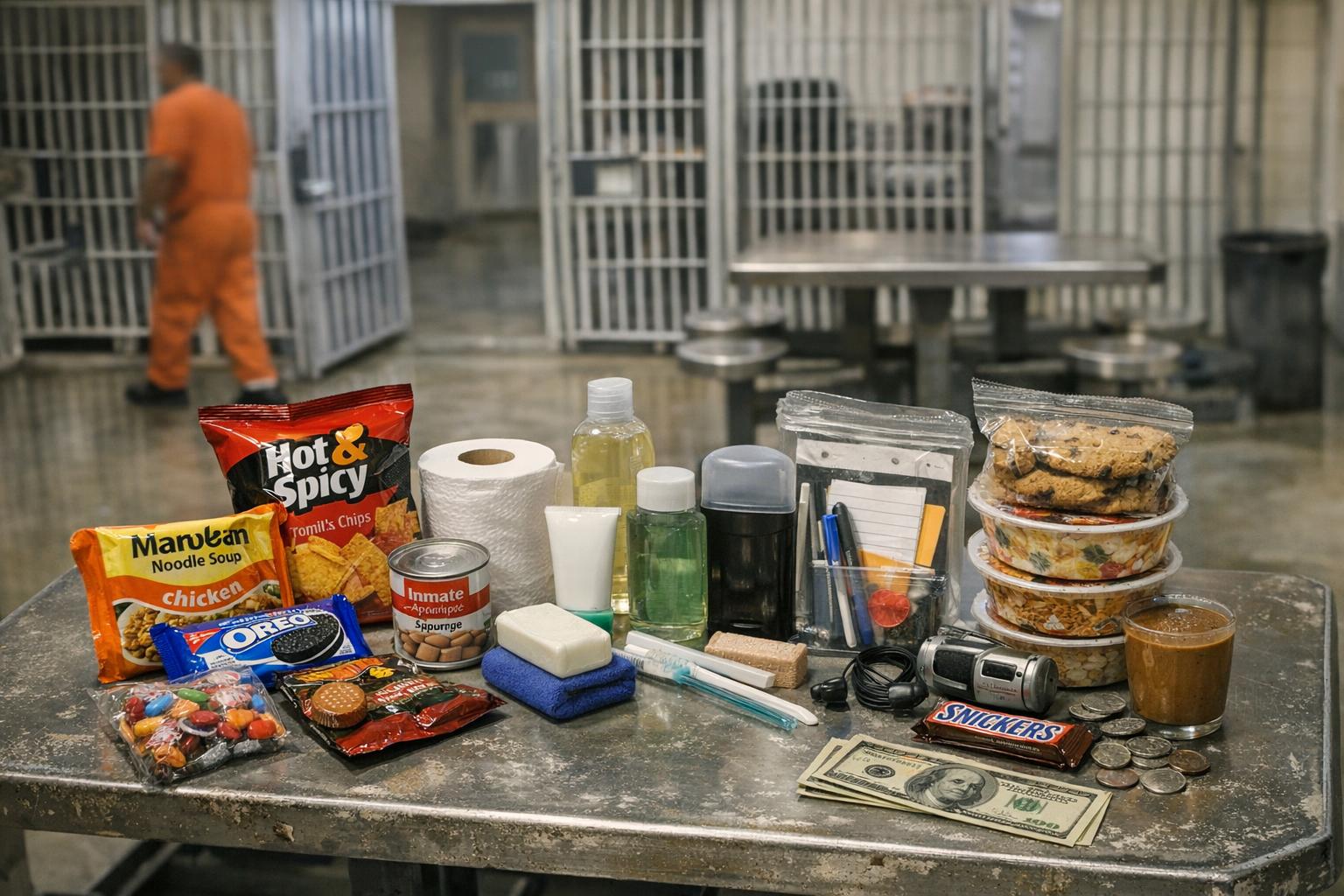
Curiosity is a mischievous animal; ask “what is prison commissary” and you’re opening a cabinet of human comforts, unusual economies, and tiny luxuries passed through bars. The phrase hints at snacks and stationery, but the reality is a complex blend of supply chain, policy, and social life inside a correctional facility.
## What Is Prison Commissary: A Curious Look Inside Today
### How Commissary Works Behind The Walls
A prison commissary, sometimes called an inmate canteen, is a retail operation inside correctional facilities where incarcerated people can purchase additional goods not provided as standard by the institution. It is separate from the correctional staff’s provisioning and functions as a limited marketplace: think instant coffee, hygiene items, phone cards, and indulgences like candy or chips. Understanding the mechanics helps explain how a small luxury can become social currency.
#### Ordering, Payment, And Delivery Systems
Orders are placed through written slips, kiosks, or digital terminals depending on the facility. Money for purchases typically comes from an inmate’s personal account funded by deposits from family or wages earned through prison jobs. Funds are tracked closely; deductions for purchases, fees, and sometimes restitution are documented. The logistics of stocking, accounting, and distribution have to meet security rules, meaning items are vetted for contraband potential and packaging is often simplified.
### Why Commissary Matters To Inmates And Families
For many people inside, the inmate canteen is more than a store — it’s a connection to normalcy. A favorite snack, extra toothpaste, or a prepaid phone card can offer comfort, status, or a way to manage daily life. Families who send money are frequently aiming to help with those small comforts that reduce stress and maintain dignity.
#### The Economic And Social Role Of Commissary
Economically, commissary operations can be revenue-generating for facilities, often run by third-party vendors or as part of the institution’s services. Socially, possession of certain items can mark hierarchy or reciprocal relationships. This exchange system also creates informal economies: trading, bargaining, and social networks built around access to goods.
### Common Purchases And Restrictions
What people can buy varies widely by facility but generally includes shelf-stable food, personal care items, writing materials, and electronics with heavy restrictions. Items that could be weaponized, conceal contraband, or otherwise threaten security are banned. Rules evolve with incidents and changing risk assessments.
#### Health, Nutrition, And Safety Considerations
Relying on commissary items for regular meals can raise nutritional concerns. Many commissary foods are high in sodium, sugar, or simple carbs. Mental health professionals and correctional planners sometimes use commissary choices as data points for stress and well-being. Families and advocates often ask whether the availability of healthy, affordable items should be expanded as a matter of public health.
### Who Oversees Commissary And Accountability Measures
Oversight is typically a mix of corrections administrators, contracted vendors, and auditing agencies. Transparency varies: some facilities publish price lists and audits, while others are more opaque. Grievance systems exist for disputes, but access and responsiveness are inconsistent across jurisdictions.
### Comparing The Terms: Commissary Vs. Inmate Canteen
Both “prison commissary” and “inmate canteen” describe the same basic service, though language can reflect regional or institutional preference. Whether you hear one term or the other, the practical elements—limited product lists, account-based payments, and security-focused distribution—remain consistent.
### Legal And Ethical Debates Around Commissary Practices
Advocates question markups, fees, and whether basic hygiene or communicative necessities should be paid for at all. Critics argue that high prices can exploit people with limited income, while administrators often point to operational costs and contractual obligations. This tension fuels policy reforms in some states, including caps on fees and requirements for healthier options.
### Practical Tips For Families Sending Commissary Funds
If you’re supporting someone inside, check the facility’s approved vendor list and deposit methods. Use secure channels to avoid scams. Discuss priority items with the incarcerated person—sometimes a small, purposeful deposit is more helpful than a larger, unfocused one. Keep records of transactions in case a dispute arises.
#### Safety Notes For Items From Outside
Gifts shipped directly often undergo intense inspection or are disallowed. Approved purchases through the commissary avoid the problems of confiscation but remain subject to facility rules. Communicate with facility liaisons when unsure.
### A Curious Remedy: Commissary-Inspired Soothing Paw Balm For Pets
As a pet home remedy specialist, I encounter creative crossovers between everyday consumer items and small, safe pet remedies. Inspired by the frugality and inventiveness often seen in limited marketplaces, here is a formal, safe remedy to soothe dry paw pads using commonly available ingredients—some of which resemble simple commissary purchases. This remedy is for dogs and is not a substitute for veterinary care if your pet has infections, open wounds, or persistent pain.
#### Ingredients And Materials
– 2 tablespoons coconut oil (virgin, food-grade; ensure no additives)
– 1 tablespoon beeswax pellets (food-grade; for solidifying)
– 1 teaspoon organic olive oil or sunflower oil
– 3 drops lavender essential oil (optional; for calming scent — use only if dog has no sensitivity)
– Small heatproof container and a double-boiler setup (or a microwave-safe bowl)
– Small spatula and clean storage tin (about 1–2 oz)
#### Preparation And Application Steps
1. Sanitize: Clean all utensils and containers with hot, soapy water and dry thoroughly to avoid contamination.
2. Melt Base: Over low heat in a double boiler, combine coconut oil and beeswax until fully melted and homogeneous. If using a microwave, heat in 15-second bursts, stirring until melted.
3. Blend Oils: Remove from heat and stir in olive oil (or sunflower oil). If using lavender, add no more than three drops and stir thoroughly to disperse.
4. Cool And Store: Pour the mixture into the storage tin. Allow to cool until solid. Label the tin with the date and ingredients.
5. Application: Clean the dog’s paws gently with a damp cloth. Apply a pea-sized amount to each pad and rub in, focusing on cracked or dry areas. For larger dogs, adjust quantity proportionally.
6. Frequency: Use once daily for maintenance; increase to twice daily for particularly dry pads. If irritation occurs, discontinue use and consult a veterinarian.
7. Shelf Life: Store in a cool, dark place. Use within 6 months and discard if scent or texture changes.
This simple balm uses petroleum-free ingredients and mirrors the resourcefulness of a commissary-style approach: practical, portable, and made from recognizable components.
### Policy Innovations And The Future Of Commissary
Some reforms aim to make commissary systems more humane: capping fees, requiring healthy options, and increasing transparency. Technology brings both convenience and concerns—digital kiosks streamline ordering but raise privacy issues. The balance between safety, dignity, and economics will determine the evolution of this small but significant institution.
### Cultural Windows And Everyday Stories
If you asked a correctional officer, an incarcerated person, and a family member “what is prison commissary,” you’d get three different answers—each reflecting stake and perspective. For an officer, it’s logistics and security; for an incarcerated person, it’s food, comfort, and connection; for a family member, it’s a way to help. Those overlapping truths make the commissary an unlikely focal point for stories about resilience, creativity, and the small human comforts that persist even in restrictive settings.
Journalists, policy advocates, and families continue to ask what is prison commissary because it reveals how institutions manage needs that fall between official provision and personal resources. Whether you approach it as a service model, a social phenomenon, or a site for reform, the commissary is an entry point to broader questions about care, choice, and economics inside correctional life.



Leave a Reply