
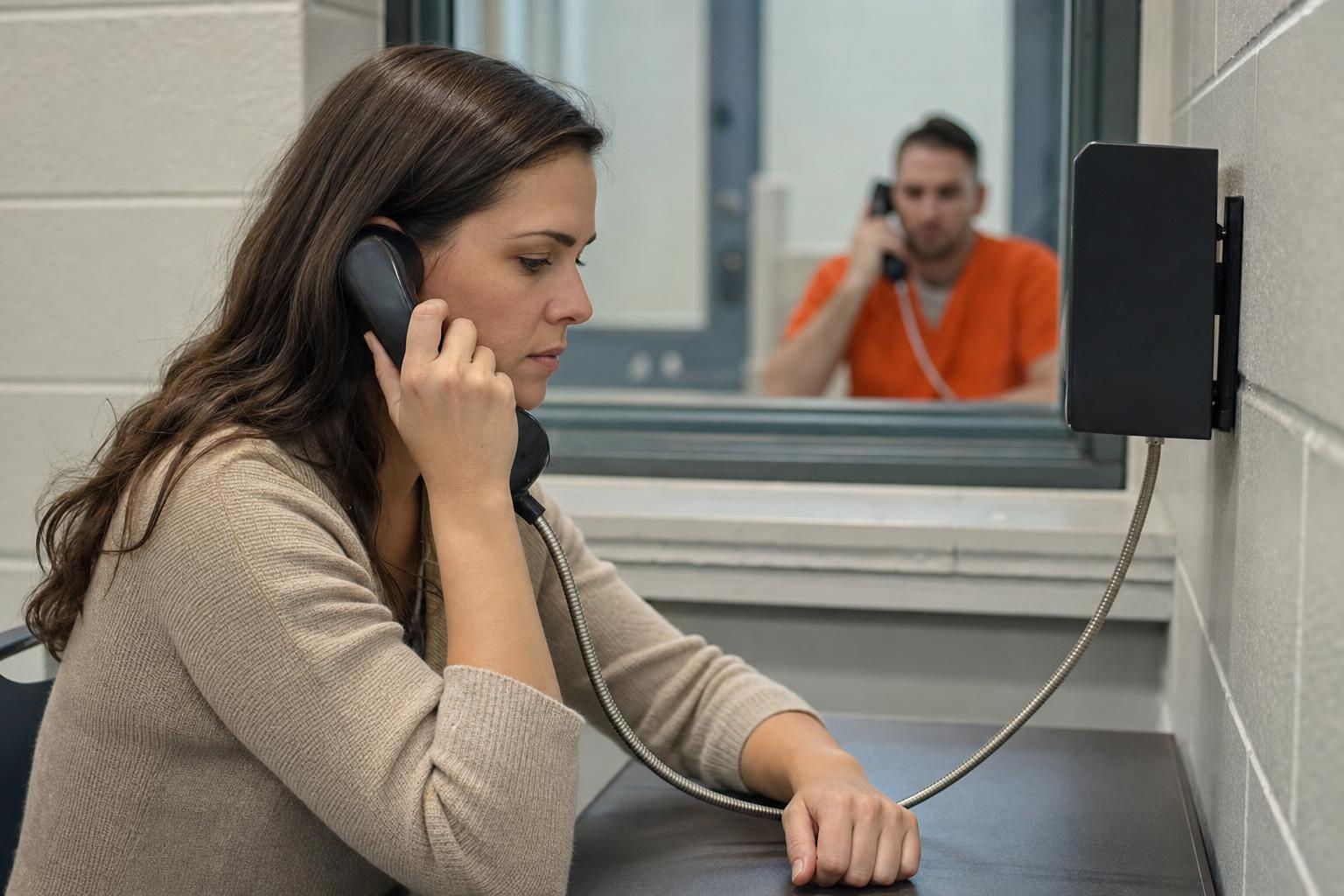
If you want to help someone inside, the single most useful thing to understand is how money moves from your hands to theirs. The mechanics matter: where you send money, what paperwork the facility requires, how long it takes, and what fees eat into the balance. Families often get tripped up by small, avoidable steps.
## Inmate Trust Account Basics: What Families Should Know
Understanding inmate trust account basics starts with the name. An inmate trust account is simply a ledger held by the facility where a person’s funds are kept for commissary purchases, phone time, medical copays, and other permitted expenses. Call it a kiosk account, commissary account, or trust account — the function is the same: the money is recorded and controlled by the institution, not the inmate alone.
How money gets into that ledger varies. Some jails accept cash or money orders at a lobby window. Others require online deposits through approved vendors, or deposits by phone using a credit card. Many state systems now require third-party processors for safety and tracking. If you walk into a sheriff’s office hoping to hand an envelope over, check the policy first. It might be accepted, or it might be rejected and sent back, delaying access to needed funds.
### How The Account Works Day-To-Day
A practical mental model: imagine a small bank account tied to a specific inmate ID. When you deposit money, the facility posts it to that ID. The inmate can then use the balance to buy approved items or pay service fees. Staff review transactions and enforce rules about what can be purchased. The account itself typically cannot be used for housing-related fines or court-ordered restitution unless the facility’s rules allow it.
One key detail families miss: cash handed to an inmate during visitation usually does not go into the ledger. Facilities often prohibit cash exchange because of contraband risk. Instead, that cash may be confiscated or returned. So don’t assume giving an envelope to a visitor is the same as funding the commissary.
## Common Ways To Deposit Money
There are a few common methods you’ll run into. Each system has pros and cons.
### In-Person Deposits
Many county jails and smaller facilities let you deposit funds at the front desk or a kiosk in the lobby. These can be convenient because you get an immediate reciept and the deposit posts the same day. But hours are limited, and some locations accept only money orders or exact cash. If you plan to visit and deposit in person, double-check the hours and whether the lobby accepts cash.
### Online Vendors And Phone Systems
Larger systems contract with private companies who run online portals and phone lines. You’ll enter the inmate’s name or ID, add your payment info, and the vendor posts to the inmate’s trust within a day or two. Expect service fees. They aren’t optional, and they can be surprisingly high — sometimes $3 to $10 per transaction or percentage-based. Factor that into how often you deposit.
### Mail-In Money Orders
Some facilities accept money orders sent by mail. This can be cheaper than using an online vendor, but it’s slower. Money orders must follow the facility’s handwriting and addressing rules, and you should include required forms. Mail gets delayed; if you’re funding commissary for medical supplies, this method may be too slow.
## Rules, Limits, And Holds
Prison and jail systems set rules that affect when and how inmates access money.
### Minimums And Maximums
Facilities commonly have minimum deposit amounts and caps on the inmate’s balance. For instance, a jail might not accept deposits under $10, or might cap the inmate’s ledger at $500 or $1,000. These rules are meant to keep the ledger manageable and reduce risk, but they frustrate families who need to send smaller sums for phone calls.
### Hold Periods
Deposits can be placed on hold for various reasons: verification, pending disciplinary review, or weekends/holidays when staff can’t process postings. A check mailed on Friday might not appear until Monday or later. If you need money available quickly, verify processing timelines in advance.
### Spending Restrictions
Certain items are prohibited: weapons, alcohol, some hygiene products with blades, and anything considered contraband. Even gifts intended for the inmate’s family may not be allowed. Expect to see commissary catalogs or online item lists; learn what is and isn’t sellable before sending money.
## Fees And Who Pays Them
Fees are one of the least transparent parts of the system. They include processing fees charged by third-party vendors, fees for using on-site kiosks, and sometimes administrative fees the facility keeps.
If you’re using a vendor, read the fine print. Does the vendor charge a flat fee per transaction? A percentage? Is there a convenience fee for phone payments? Sometimes the amount shown as a fee is deducted from the total you intended to send, meaning the inmate receives less than you thought.
Facilities sometimes charge inmates fees for trust account services as well, especially for things like medical copays or sending money out to family. Understand who pays a fee and whether that fee is deducted from the inmate’s balance or charged separately.
## Paperwork And ID Requirements
You’ll often need details beyond the inmate’s name.
### Required Identifiers
Most facilities require the inmate’s booking number or state ID. Names can be duplicated, so the system relies on IDs to post correctly. Use the exact format the facility requests. One mistyped digit can route funds to the wrong ledger.
### Contact Information And Forms
Some facilities want the depositor’s name and phone number for verification. Others require a signed form authorizing recurring deposits. If you plan to set up automatic monthly funding, prepare to fill out a form and provide identification.
## How To Track And Verify Deposits
Good practice reduces mistakes.
– Keep receipts. Whether it’s a printout from a kiosk or an email confirmation, keep it for at least 90 days.
– Note the transaction ID from online deposits. If something goes wrong, customer service will ask for it.
– Check inmate account balances when possible. Some systems let inmates share receipt screenshots or transaction history. Encourage the inmate to tell you if a deposit never shows up.
## When Things Go Wrong
Money can go missing, be misapplied, or be delayed. Here’s how to handle common problems.
### Missing Deposits
First, verify your receipt and confirm the transaction ID. Contact the vendor if you used one; keep escalation records. If the vendor says the funds were delivered, the next step is facility accounting. This can be slow and frustrating. Persist politely and document every call, email, or in-person visit.
### Wrong Account
If you accidentally entered the wrong inmate ID, report it immediately. Corrections can be made, but they may require signatures from both the depositor and facility staff. Act quickly; the longer you wait, the more complicated it gets.
### Disputed Deductions
If you believe a fee was improperly deducted, request a written explanation. Some vendors have clear billing summaries; others are opaque. The facility’s accounting office can often provide records showing how the balance was used.
## How Families Can Reduce Fees
Fees add up. Here are realistic ways to reduce them.
– Consolidate deposits. Fewer transactions mean fewer fees. Send larger amounts less often if the facility allows.
– Use money orders for smaller, local jails that accept them. They’re cheaper than credit-card convenience fees.
– Ask about fee schedules. Sometimes a facility will waive certain fees for hardship situations; it never hurts to ask.
– Consider setting an amount that covers a month’s commissary budget instead of topping up every few days.
### Budgeting For Commissary
Learn what the commissary sells and typical prices. A package deal for hygiene items can be cheaper than buying items separately. Phone time costs can be the biggest surprise — 15-minute calls add up fast. If the family is budgeting, figure out how many minutes are needed and plan deposits accordingly.
## Legal And Safety Considerations
Money in a trust account isn’t the inmate’s private bank in the usual sense.
### Ownership And Access
The facility controls the account and decides how funds are used and released. If an inmate is transferred, rules govern whether funds follow them. In some systems money can be transferred automatically; in others, it must be requested and processed.
### Court Orders And Restitution
If an inmate owes restitution or court fines, the facility may withhold funds to satisfy those obligations. Families sometimes mistakenly funnel money thinking the inmate can spend it freely; a portion may be frozen for legal reasons.
### Scams And Fraud Risks
Be wary of anyone who offers to move money outside official channels. Scammers will promise “personal delivery” or reduced fees but are often trying to steal funds. Always use the facility’s approved methods.
## Tips For Different Family Situations
Every family’s needs are different. Here are specific scenarios and practical steps.
### Short County Stays
If the person is in county jail awaiting court, deposits might be less necessary if release is imminent. In those cases, prioritize phone time so they can call their lawyer. If you do deposit, use quick methods and low fees.
### Long-Term Sentences
For long sentences, plan for recurring needs: regular commissary, paperwork fees, and occasional medical charges. Setting up predictable monthly deposits helps both you and the inmate budget. Keep detailed records because disputes may arise years later.
### Multiple Facilities And Transfers
If an inmate moves, notify the receiving facility to find out if the funds will follow. Sometimes money is held by the originating jail and must be requested for transfer. Prepare for delays and keep both facilities’ contact info handy.
## Records You Should Keep
Treat this like any financial transaction.
– Photocopy money orders before mailing.
– Save screen captures of online confirmations.
– Keep a simple ledger: date, amount, method, inmate ID, receipt number.
These records are lifesavers if a deposit disappears or is misposted.
## Questions To Ask The Facility
When you call, focus on the specifics you need, not abstract complaints. Ask:
– What methods do you accept for deposits?
– What is the processing time for each method?
– What are the fees, and who keeps them?
– Is there a minimum or cap on the inmate’s balance?
– How do I correct a wrong deposit?
– Will the funds transfer if the inmate moves?
Asking these avoids guessing and saves time.
## Communicating With The Inmate About Money
Be clear with the inmate about expectations and the account’s limits. If you and the inmate disagree about how money should be spent, that strain is easier to manage with transparency. Encourage the inmate to keep receipts and share account balances. It’s simple but often overlooked.
## Paper Trails And Record Requests
If you need official proof for a dispute, ask the facility for transaction records. Facilities retain accounting logs that show deposits, deductions, commissary purchases, and transfers. The speed of getting those records varies. Some places release them quickly; others take weeks. Be patient, but persistent.
## Avoiding Common Pitfalls
A few mistakes keep repeating.
– Don’t guess the inmate’s ID.
– Don’t assume cash given to another inmate or visitor goes into the ledger.
– Don’t rely on verbal promises from a vendor; get an email confirmation.
– Don’t forget to check the mailing address format when using money orders.
These small errors cause the majority of headaches.
## When You Need Legal Help
If the facility refuses to correct an obvious error, or if funds disappear without explanation, consider legal counsel. An attorney who handles prisoner rights or municipal law can write a demand letter that often moves staff more quickly than family complaints. Legal help isn’t needed for every problem, but it’s an option when administrative paths fail.
## How Policy Changes Affect You
Facilities change vendors, adjust fees, and update deposit rules. Stay informed. A phone number that worked last year may route to a different vendor today. Sign up for facility notifications if available, or check the facility website before making any deposit.
## Small Details That Make A Big Difference
Include the inmate’s correct booking number, never abbreviate names, and sign any required forms the way they request. Use the facility’s preferred payment portal. Double-check the postcard or mail policy if you’re sending items along with a payment. These small steps reduce the chance of delays, and make the whole process less of an emotional burden.
## Real-World Example: One Family’s Mistake
A sibling once mailed a $200 money order to a county jail without an inmate ID, only the inmate’s name. The clerk couldn’t match the deposit and returned it after two weeks. The money moved slower than the expected timeline and the inmate missed a court-related phone call because he had no credit. It was an avoidable failure: a few minutes to verify the required ID would have prevented it. That family now keeps a laminated sheet in their wallet with each facility’s deposit rules.
## How To Teach New Supporters
If a friend or extended family member wants to help with deposits, walk them through the process. Show them how to find the inmate’s ID, where to get the approved vendor’s site, and what to write on a money order. Simple training cuts down on errors and repeated calls.
## Frequently Overlooked Detail: Refunds And Withdrawals
If an inmate is released or transferred, you may need to request a refund or transfer of the funds. Facilities have different timelines and forms for refunds. Don’t assume a released person’s funds automatically transfer to their civilian bank account. Ask about the exact steps and required identification. Sometimes the facility will issue checks that the released person must cash within a certain period.
## Where To Find Reliable Information
Use the official facility website first. If you can’t find clear directions there, call the accounting office. Avoid third-party blogs for rules that change frequently. Vendors’ FAQs are also helpful for payment specifics but confirm with the facility about posting times and local rules.
## A Few Final Practical Notes
Keep contact names and numbers in your phone. Save receipt screenshots in a folder labeled by facility. Budget for vendor fees when planning deposits. Be methodical. Small organization prevents repeated strain between families and facility staff, and keeps money working for the person inside.
definately check the rules twice, and keep every reciept you get.



Leave a Reply