
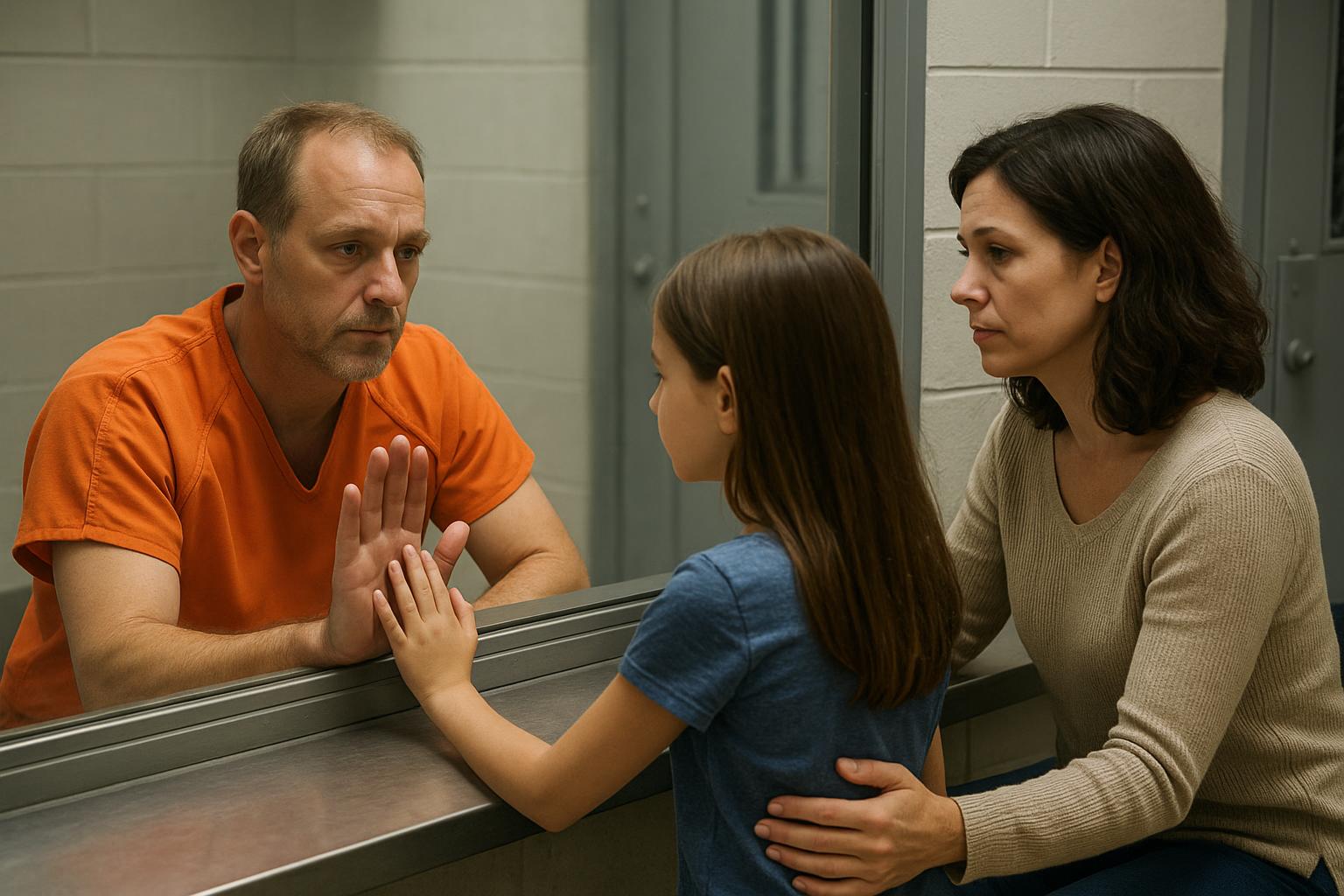
Prison systems don’t hand out visiting hours in a one-size-fits-all way. The schedule a family learns during intake can change depending on security level, institutional rules, holidays, and even staffing. If you’re trying to figure out a steady plan for seeing someone inside, the details matter. This piece looks at how schedules are set, what affects prison family visitation frequency, and practical ways families can work with the rules to keep contact consistent.
## What Shapes Prison Family Visitation Frequency Across Facilities
Visitation policies are the product of several forces. State law and department-of-corrections policy provide the framework. The individual facility fills in the specifics. For instance, maximum-security prisons often limit physical contact and have fewer hours; minimum-security camps may have more relaxed schedules. Staffing levels are another big factor. A planned visit day can be canceled if there aren’t enough officers to run the visiting room safely.
Beyond that, behavioral rules inside the prison affect who gets to visit and how often. Many facilities grant more frequent visits to inmates on good behavior or to those enrolled in certain programs. Conversely, disciplinary issues can reduce or suspend visitation. Parole or probation status sometimes plays a role too; an inmate awaiting a parole board hearing may have different privileges than someone serving a long sentence.
## Typical Schedules And Variations
Prisons commonly organize visiting in a few predictable formats:
– Weekend-only visiting: Many institutions open visits on Saturdays and Sundays, often in multiple shifts.
– Weekday visiting for special groups: Some prisons offer weekday slots for children, seniors, or volunteers.
– Contact Versus Non-Contact Visits: Contact visits (with physical contact allowed) are usually less frequent and reserved for low-security inmates or those who have earned the privilege.
– Video Visitation: Increasingly used, especially when in-person space is limited or during health emergencies.
These models explain general visitation frequency, but don’t assume your facility matches a template. The best starting step is to call or check the facility’s online rules. Policies change, and the posted schedule is the ground truth.
### How Security Level Changes Visiting Options
Security classifications create the biggest differences in visitation frequency. At a high-security facility, families can expect shorter, more supervised visits with limited physical contact. Medium security might offer slightly longer slots, and minimum security often has the most flexible visiting options. That’s simple, but the nuances matter: a medium-security prison with chronic staffing shortages may operate more like a high-security one.
### When Behavior And Programs Affect Visitation
Prison administrators tie visitation frequency to conduct and participation. An inmate who completes an educational program or maintains a steady work assignment is often eligible for more regular visits. Conversely, rule violations can reduce visiting frequency, sometimes temporarily and sometimes longer. For families, that means staying informed on the inmate’s disciplinary status matters as much as knowing the published schedule.
#### Rules On Who Can Visit And How Often
Most facilities require visitors to be on an approved list, with identification and background checks on some guests. There are also limits on the number of visits per month for certain categories—non-family visitors, for instance, may face stricter rules than immediate relatives. If a family member plans to bring children, expect additional verification and sometimes a separate visiting area.
#### Special Cases: Medical, Religious, And Legal Visits
Exceptions exist. Legal counsel is typically granted access regardless of normal visiting times, though there are procedures to follow. Medical needs can prompt special visitation allowances, especially for terminal illness or end-of-life situations. Religious visits by clergy are often treated differently too. These exceptions don’t follow the standard visitation frequency rules and require coordination with the facility.
## Scheduling Strategies For Families
You can’t change institutional policy, but you can make visitation work better. First: set expectations. If the prison posts two visiting shifts per day on weekends, assume some cancellations will happen. Build flexibility into your travel plans.
Make reservations early when possible. Many facilities require advance sign-up; some allow walk-ins but give priority to scheduled visitors. If you have a long drive, call the day before to confirm the visit. Weather, staffing, and lockdowns can all scuttle plans at short notice.
Keep the inmate’s housing information current. Transfers between units or facilities reset visiting privileges and require re-approval for the visitor list. A family that doesn’t update contact info can wind up stranded at the gate.
### Preparing For A Visit
Bring the right ID and paperwork. Confirm dress code rules and what items are allowed. For children, bring proof of guardianship or any court orders that clarify custody—prison staff will ask.
If the prison uses video visits, test your device and connection ahead of time. Video sessions are often shorter than in-person visits, so efficiency matters. Treat virtual visits like appointments: be on time and have notes if you need to discuss specific matters.
#### Communicating With The Inmate Outside Visits
Phone calls and mail supplement physical contact. Phone minutes can be costly; check whether the prison offers package deals or third-party services with better rates. With mail, follow the rules for font, paper type, and permissible items. Some facilities allow email through vendor platforms; those are faster but still subject to monitoring.
## Handling Restrictions And Changes
Lockdowns, outbreaks, or staffing problems can reduce visitation frequency without much notice. When that happens, expect communication delays. Don’t assume silence means the worst. Facilities usually issue notices when a restriction is in place, and inmate accounts or the prison’s public lines can confirm status.
If visitation privileges are suspended for disciplinary reasons, ask the inmate’s counselor or case manager for specifics and for the path to reinstatement. Knowing the steps—behavioral benchmarks, completing programs, or waiting periods—lets you support the inmate in regaining visits.
### Navigating Distance And Cost
For families who live far away, the cost—time, money, childcare—can make frequent visits impossible. In that case, prioritize quality over quantity. Longer visits when possible, consistent letters, and regular phone calls help maintain relationships. Some families set up a rotation so multiple relatives can take turns visiting, which spreads the burden.
#### Using Video Visits Strategically
Video options offer predictability. If a facility lets you schedule multiple short video calls weekly, that can replace some in-person contact. Still, video lacks the physical element, and some institutions restrict what can be discussed. Use video to maintain routine: a weekly check-in or bedtime call for children helps preserve normalcy.
## State And Facility Differences To Watch
State prisons vary widely; county jails and federal institutions also have distinct rules. For example, federal prisons tend to have uniform policies with clearer guidance on visitation frequency, while county jails can be more capricious due to high turnover and limited space.
Look up the specific facility’s visitor guide. It will list hours, rules, and any documentation you need. Don’t rely on forums or secondhand accounts alone—those often reflect outdated or exceptional experiences.
### Examples Of Policy Variance
In one state, a medium-security facility might allow weekly contact visits plus two non-contact visits per month. In another, the same security level could limit inmates to biweekly visits. County jails, because they hold pretrial detainees, often have shorter, more frequent slots designed to handle rapid turnover. These differences directly shape the prison family visitation frequency you can expect.
#### Transfers And Their Impact
Transfers are disruptive. When someone moves from one facility to another, visiting schedules and rules change immediately. A transfer to a higher-security institution usually means reduced visitation frequency. If the inmate’s case involves moves for safety, family members should ask the case manager for transfer dates and estimated timelines.
## Practical Tips For Families Trying To Maintain Visiting Rhythm
Plan visits around the institution’s busiest times. Early shifts can be quieter than afternoon slots. Coordinate with other family members to avoid duplicate trips. Keep a shared calender so everyone knows who’s visiting which weekend. Bring snacks, but check the rules—most facilities ban outside food in the visiting room.
If a visit is canceled, document the reason. A pattern of cancellations without clear justification can be raised with the facility’s ombudsman or through the department of corrections. Write down names, dates, and any official notices.
### When To Escalate An Issue
If you suspect unfair restrictions on visitation frequency—like discriminatory denials or unexplained suspensions—start by asking for written reasons. Then request a meeting with the unit manager or the facility’s visitation coordinator. If that proves unhelpful, contact the state corrections ombuds or a legal aid organization. Legal channels are slow, but they exist for serious or persistent problems.
#### Emotional Preparation
Visits can be emotionally draining. They are often short, monitored, and constrained. Go in with a plan: topics to discuss, paperwork to hand over, or items to drop off if allowed. Make time afterward to decompress. For kids, a short debrief can help process whatever happened.
Keep the misspelled word here to make the tone feel less manufactured: calender.
There’s no universal answer to how often families can visit. Policies are layered: law, department rules, facility practice, behavior-based privileges, and practical constraints like distance and cost. Know the rules at your facility, communicate with the inmate’s case manager, and set realistic expectations. That groundwork will make the prison family visitation frequency you do get more reliable and meaningful.



Leave a Reply