
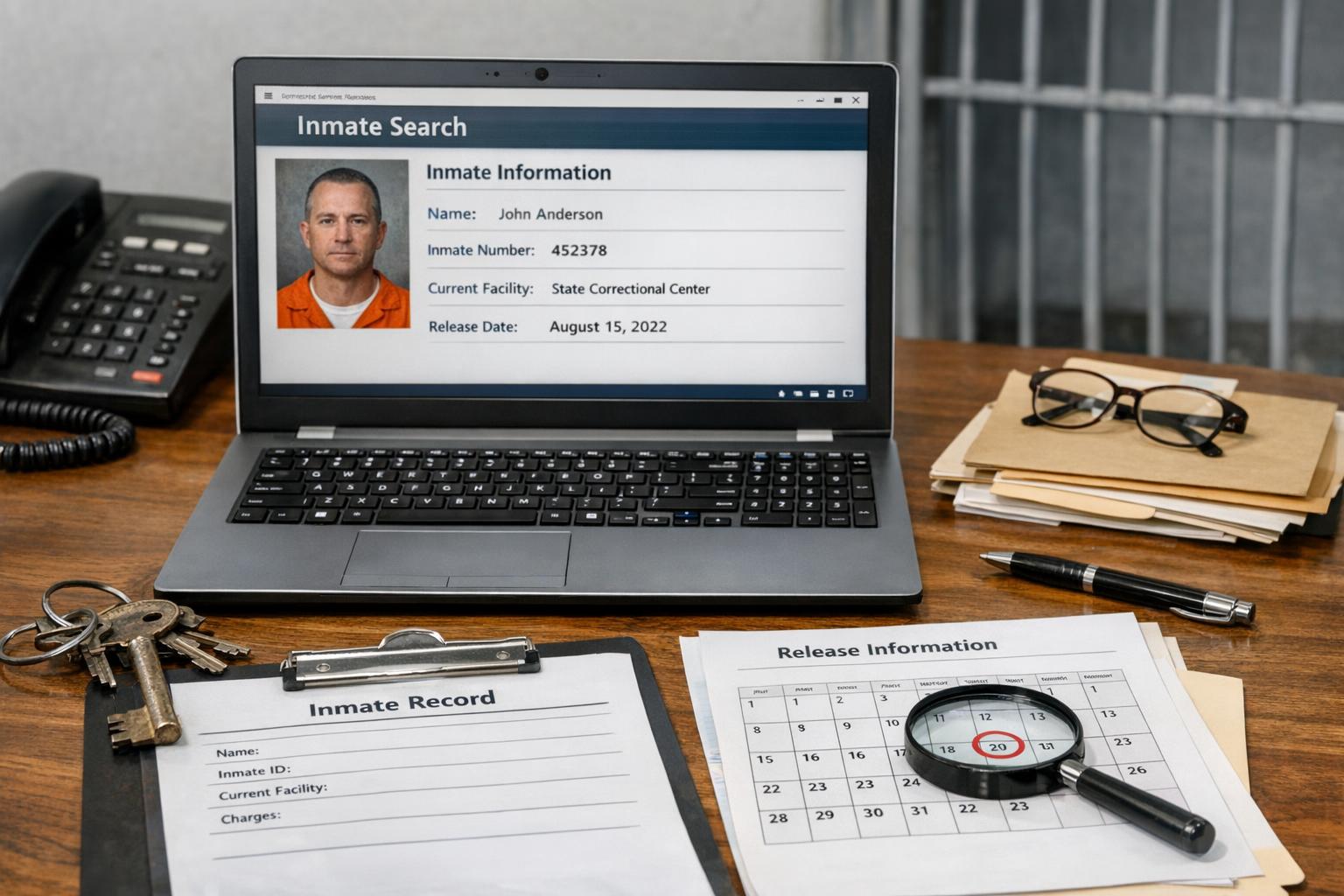
Locating the projected or scheduled departure of an incarcerated individual requires precision, patience, and an understanding of the public records ecosystem. The following guide explains the principal avenues to pursue, documentation to prepare, legal considerations, and practical tips to minimize wasted effort.
## How To Find An Inmate Release Date: A Comprehensive Guide
Determining how to find an inmate release date involves identifying the correct jurisdiction, knowing which records are public, and using official databases and direct communications. The process differs significantly depending on whether the incarceration is at the federal, state, county, or municipal level, and whether the inmate is under sentence, awaiting trial, or subject to supervised release.
### Understand Jurisdiction And Custodial Status
Start by clarifying the jurisdiction that is responsible for custody. Federal inmates are managed by the Federal Bureau of Prisons (BOP). State prisoners are housed in state correctional systems. County and city jails handle pretrial detainees and those serving short sentences. An accurate jurisdictional determination is foundational to learning how to find an inmate release date because records and access methods vary by level.
### Key Information To Collect Before Searching
Obtain the following details to increase the likelihood of success:
– Full legal name of the inmate (including aliases)
– Date of birth
– Inmate identification number (if available)
– Arresting or conviction county and state
– Approximate dates of arrest or sentencing
Possessing these items reduces search time and avoids mistaken identity. When a name is common, the inmate number or date of birth is often decisive.
### Primary Official Sources To Check
Begin with official sources; they are the most reliable.
#### Federal Bureau Of Prisons Database
For inmates in federal custody, consult the BOP inmate locator. It provides projected release dates and status updates for those serving federal sentences. Use the inmate registration number or full name and date of birth for precise results.
#### State Department Of Corrections Websites
Each state maintains an offender lookup portal. These portals commonly show status, facility location, sentence length, and projected or computed release dates. Search by name, offender ID, or date of birth. If the state site returns limited information, some states provide a public records request mechanism.
#### County And Municipal Jail Rosters
County sheriff offices and city jails publish daily rosters or booking logs that include release status for individuals in local custody. These sources are particularly useful for short-term incarcerations or pretrial detainees.
#### VINELink And Victim Notification Systems
VINELink is a national victim notification network that includes custodial status and release information for many jurisdictions. Registration is free and can provide automated alerts when an inmate’s status changes.
### Secondary Sources And Records
If primary databases do not yield a result, consider:
– Court dockets and clerk of court records, which list sentencing dates and may indicate eligibility for release.
– Parole and probation board records for inmates eligible for conditional release.
– State Department of Corrections annual reports or offender search exports.
– Public defender or defense counsel contacts who may have information on projected parole hearings or earned time.
### How To Find An Inmate Release Date When Records Are Limited
When direct online information is unavailable you should:
1. Contact the facility’s records office by phone, providing the inmate’s full name and birth date. Record the staff member’s name and the time of the call.
2. Submit a formal written request to the custodian of records in the relevant jurisdiction. Many jurisdictions have standardized forms or Freedom of Information Act procedures.
3. Consult the sentencing court’s clerk to obtain the judgment and commitment order, which often contains the sentence start date and duration from which a release date can be calculated.
4. If the inmate is in federal custody and information is restricted, submit an inquiry to the BOP designations and sentence computation unit.
### Interpreting Release Information Correctly
Be aware that a listed release date may reflect a minimum required date, a projected date subject to change, or a statutory maximum. Various factors affect the actual release:
– Good conduct credits or earned time can advance release dates.
– Parole board actions may alter eligibility and timing.
– Sentences may be concurrent or consecutive; computation should reflect the specific judgment.
– Administrative or disciplinary sanctions can delay release.
For these reasons, when you locate a tentative release date, verify whether it is a projected date, a computed date, or the official discharge date.
### Legal And Privacy Constraints
Not all release details are publicly accessible. Juvenile records, certain medical and mental health information, and sealed records are protected by statute. In some jurisdictions, release dates for individuals in witness protection or under safety orders may be intentionally redacted.
Respect privacy and legal boundaries: misuse of inmate release information for harassment, stalking, or illicit contact may constitute a criminal offense. When in doubt about lawful use, consult legal counsel or the releasing authority.
### Practical Steps And Checklist To Follow
Follow this ordered approach to ensure an efficient search:
1. Confirm the jurisdiction and obtain identifying details.
2. Search the appropriate official database (BOP, state DOC, county jail).
3. Use VINELink for status notifications.
4. Check court records and clerk databases for sentencing orders.
5. Call the facility records office and, if necessary, submit a formal records request.
6. Verify whether the release information is tentative or official and note factors that may alter the date.
This structured method reconciles disparate records and reduces the likelihood of error when attempting to determine an inmate release date.
#### Common Pitfalls And How To Avoid Them
Do not rely solely on third-party, non-official websites; they may be outdated or inaccurate. Avoid assuming projected release dates are final. When dealing with common names, always cross-reference birth dates and inmate numbers. Maintain documentation of all communications in case further verification or appeals are necessary.
#### When To Seek Professional Assistance
If records are complex, sealed, or require legal interpretation—such as determining the effect of concurrent versus consecutive sentences, or the calculation of earned credits—consider retaining an attorney or a certified records specialist. Legal professionals can file appropriate motions, access sealed dockets when permitted, and advise on statutory entitlements that affect release calculations.
### Rights And Notifications For Victims And Family
Victims in many jurisdictions have statutory rights to notice of release. Family members may also register for custodial notifications through victim services or VINELink. Familiarize yourself with the applicable state statutes that govern notification timelines and eligibility.
### Documentation And Recordkeeping Practices
Keep a file containing:
– Copies of online search results with timestamps.
– Names and contact details of facility staff you spoke with.
– Copies of any requests or forms submitted.
– Court orders, judgments, and sentencing documents.
Accurate recordkeeping preserves a clear chain of information and serves as evidence should discrepancies arise.
### Security And Safety Considerations
If locating an inmate release date relates to planning a transition, reentry, or safety plan, coordinate with probation or parole officers, reentry programs, and local law enforcement where appropriate. Advance preparation can mitigate risks associated with sudden releases and assist with housing, employment, and healthcare continuity.
### Tips For Faster Results
Use the inmate identification number wherever possible because it eliminates ambiguity. Register for automated notifications on official platforms. When contacting facilities by phone, call during non-peak hours and prepare a concise script to present necessary information quickly.
Make certain to verify any release information against at least two reliable sources before taking consequential action based on that date.
(End of content — no conclusion provided as requested.)





Leave a Reply