
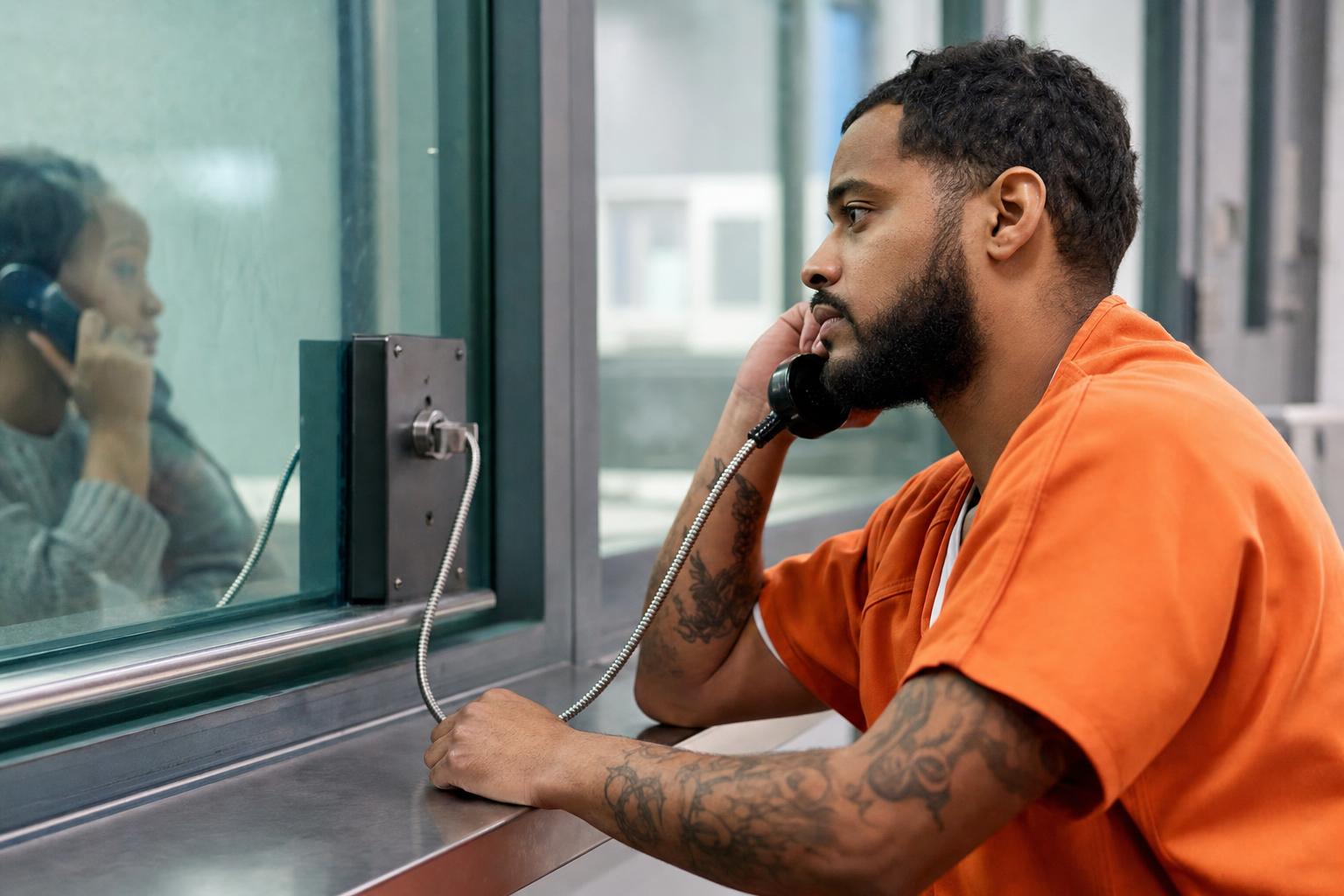
## Prison Phone Call Rates: Who Pays And Why
Prison phone call rates are not a simple per-minute number you can compare on a bill. They’re a tangle of commission agreements, billing increments, extra fees, and state rules. Families end up footing much of the tab, but the full picture includes phone companies, local correctional agencies, and sometimes middlemen that sell services to facilities. This matters because a small-sounding per-minute charge can balloon into a crippling monthly expense.
### How Rates Are Built
Start with the basics: a company contracts with a jail or prison to provide telecom services. That vendor prices calls and often pays the facility a commission. Those commissions are effectively passed on to callers and inmates through higher base rates. So when you see high prison phone call rates, part of that price is someone paying a kickback to the facility. In some states those commissions are capped; in others they’re not.
Two common billing tactics drive costs up. One is the per-minute rate itself; another is the billing increment. Companies may bill in 15- or 30-second increments, which raises the effective rate compared with true per-minute billing. A one-minute conversation that’s billed in 30-second increments and rounded up twice can cost more than the posted per-minute price. Add setup fees, account maintenance fees, and taxes and those little surcharges add up fast.
### Typical Numbers And Real Examples
You’ll see a wide range. In some county jails a 15-minute call might be under $5. In other places, particularly private prisons or facilities with expensive contracts, a short call can cost $10 or more. Rates fluctuate by state and facility type: county jails tend to be pricier than state prisons, and federal facilities have their own schedules.
To make this concrete: a company might list $0.21 per minute for debit calls, but if there’s a $3.00 account fee and 30-second rounding the real cost for a single five-minute call can be double what you expect. Video visits are another animal; many systems charge a flat fee per session that can range from $5 to $25 or more — and those are billed differently than voice calls.
### Who Bears The Burden
Families. Plain and simple. People on the outside, often low-income, pay for contact that supports rehabilitation and family stability. That’s where prison call costs become a social issue, not just a billing one. When an incarcerated parent can’t afford regular calls, it affects kids, parole outcomes, and reentry success. Public defenders, advocacy groups, and some legislators have called this out, leading to state-level caps and occasional litigation.
### Fees Beyond Per-Minute Charges
Watch for extra line items: account setup fees, automated payment fees, paper bill charges, and even fees to receive reciepts. Small charges per transaction can be tacked on each time a family adds money to an account, so frequent small deposits amplify costs. There are also fees for transferring funds between accounts or for using certain payment processors. These are the hidden ways prison call costs grow without ever touching the advertised rate.
#### Prepaid Vs. Collect Calls
Prepaid or debit accounts usually cost less per minute but require upfront deposits. Collect calls shift the bill to the receiver, who may then face higher rates. Facilities push prepaid options because they reduce administrative hassle and often produce steadier revenue for the vendor. For callers with limited funds, though, choosing a method is a trade-off between short-term accessibility and long-term price.
#### Video Visits And Messaging
Video has become common, especially since in-person visiting can be restrictive. But video sessions are frequently pricier, sometimes by a large margin. Messaging platforms add fees too. Families should compare whether the convenience is worth the jump in price. Some facilities experimented with free or low-cost video during COVID; others reverted to paid models afterward.
### How To Reduce What You Pay
There are practical steps to trim costs. Set up single larger deposits rather than multiple small ones to avoid per-transaction fees. Schedule calls to minimize rounding losses — aim for even-minute lengths when possible. Use state-run billing programs when available; they usually undercut private vendors. Reach out to the facility’s clerk or the state public utility commission if you suspect illegal surcharges or undisclosed fees. If you’re organizing for change, document bills and call logs; hard evidence helps when pushing for rate caps.
### Policy And Regulation Trends
Regulators have pushed back at times. The FCC tried to cap interstate prison phone call rates, but legal challenges and preemption issues left a patchwork of rules. Some states stepped in with their own caps, which lowered prison phone rates in those jurisdictions. The larger trend is toward scrutiny: lawsuits, state audits, and advocacy have forced more transparency about contracts and commissions. Still, change is uneven and often slow.
### What Families Should Know Now
Ask for the fee breakdown before adding funds. Keep reciepts and check how calls are billed — per minute or in increments. If a facility’s vendor seems opaque, complain to the facility administration and copy state regulators. Small, routine changes in how you add funds and schedule calls can shave dollars off monthly bills. For people juggling tight budgets, those dollars pile up fast.
### A Final Practical Thought
If you’re paying for regular calls, map out a three-month plan: list costs per call type, tally transaction fees, and experiment with deposit size and call timing. You might discover easy wins that reduce overall prison call costs without changing providers or waiting on regulators. And if you’re part of a group advocating for reform, focus on the commissions and billing increments. That’s where the biggest reductions usually live.



Leave a Reply