
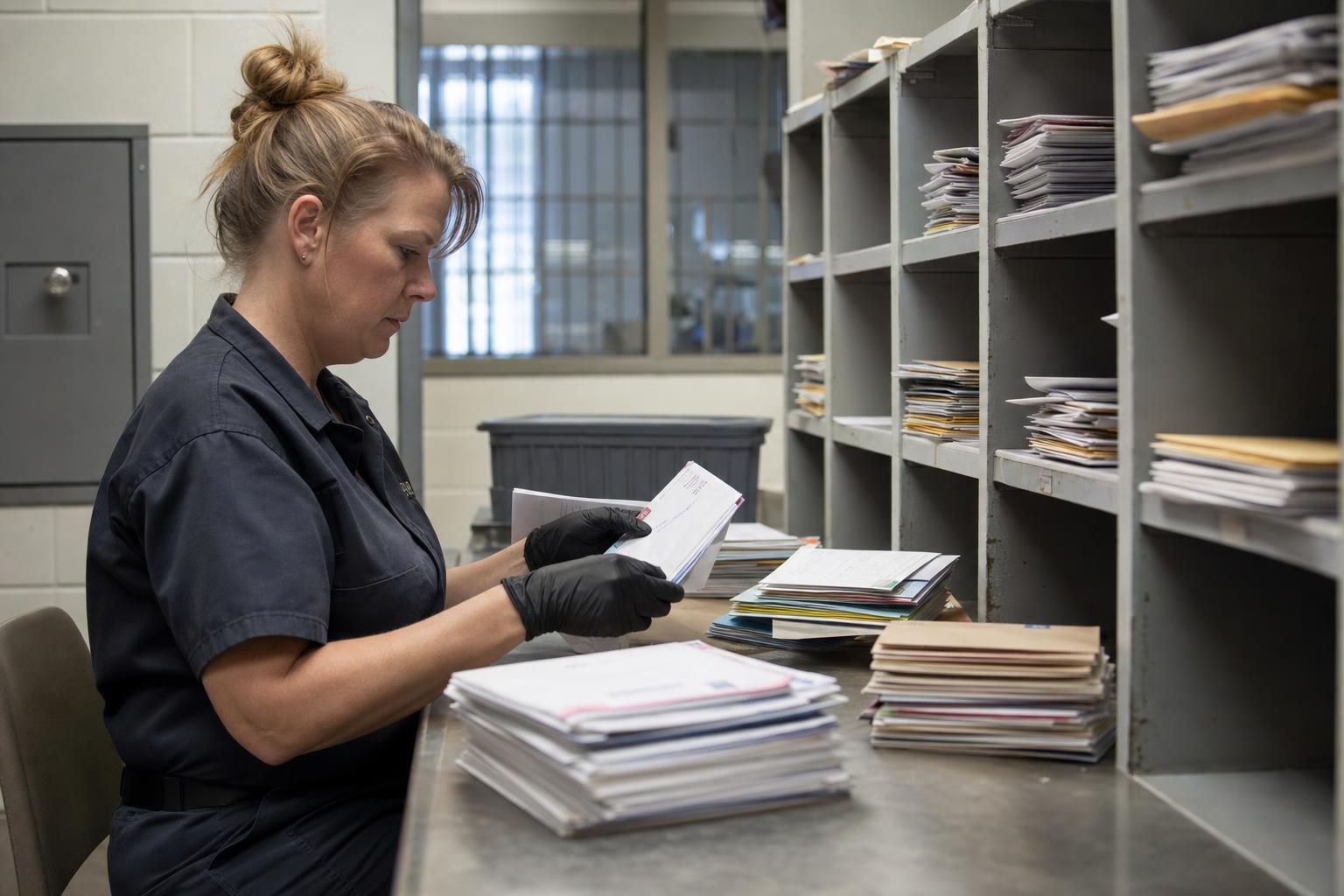
## State-By-State Inmate Mail Rejection Criteria Explained For Families
When a letter doesn’t make it to an incarcerated person, the usual reaction is confusion. Jails and prisons have specific policies, and those policies are not uniform. Knowing the state-by-state inmate mail rejection criteria helps you guess why something was bounced back, and how to fix it next time.
### What Triggers A Rejection
Most rejections fall into predictable categories. Understanding them saves time.
– Content concerns: Anything that could be considered a threat, coded message, or sexually explicit will often be rejected. Handwritten notes that look like coded instructions are scrutinized more closely than typed pages.
– Contraband attachments: Staples, stickers, glitter, seeds, or folded cash can cause a facility to refuse a piece of mail. Even tape used to seal an envelope can be a problem in some places.
– Addressing errors: Wrong facility names, inmate ID numbers, or missing return addresses are common technical reasons. Each facility wants a precise format.
– Photo issues: Many states limit the size, type, and content of photos. Polaroids are frequently banned. Group shots with visible tattoos or gang signs may be refused.
– Sender rules: Certain states restrict who can send mail. Some jails prohibit mail from people on an inmate’s visiting ban list, or from unknown commercial vendors.
All of these fall under the broader mail rejection criteria used by detention systems. The phrase sounds dry, but it’s where policy meets the practical reality of security.
#### Photos, Enclosures, And Packaging
Photos are a good example of how granular rules get. A facility might permit black-and-white snapshots but ban color prints larger than 4×6. Another could allow photos only if they’re mailed from a commercial printer. Why the fuss? Photos can hide contraband, and they can be used to transmit signals.
Packaging matters too. Some states insist on plain white envelopes with the sender’s name on the front. Others require legal mail to be sealed in a way that lets staff verify it was sent by an attorney. If an envelope appears tampered with, the mailroom may open and reject it under the facility’s inmate mail rules.
### How State Policies Differ
You’ll see real differences when you look at specific states. A policy that’s routine in one place is a hard rule elsewhere.
California and Texas, for example, have detailed lists of prohibited items and strict ID requirements. In Florida, some jails run automated screening that rejects anything with extra folds or added stickers. New York often separates “regular” mail from “legal” mail and applies stricter standards to the latter. Smaller county jails can be even more particular because they have less staff and less storage; they’ll send back anything that creates extra work.
That’s why it helps to search facility-level rules rather than relying on a broad, state-level summary. When you check the state-by-state inmate mail rejection criteria, drill down to the county or facility website. If the site is silent, call the mailroom. A quick phone call can avoid several rejected packages.
#### Publications And Books
Books and magazines are another frequent rejection source. Some institutions accept only books sent directly from publishers or major online retailers. Others will allow friend-sent books but only if they’re new and shrink-wrapped. The worry is that pages can be hollowed out or contain contraband. Paperback versus hardcover sometimes makes a difference because hardcovers are easier to conceal items behind.
If you’re sending reading material, note this: sending a bulk package of mixed items is riskier than sending a single book. Keep it simple.
### Reading The Rejection Notice
When something is rejected, the facility typically returns it with a notice explaining why. But the notices vary in clarity. Some cite a specific policy code. Others give vague language like “contraband” or “prohibited content.” Know how to interpret what you get.
First, look for the policy citation. If the notice lists a rule number, that’s your opening. Search the facility’s posted inmate mail rules for that citation. If nothing else, the notice will usually say whether the item was returned to the sender or destroyed. If it was destroyed, you lose the item. If it was returned, you can correct the problem and resend.
A common mistake is resending the same package without fixing the issue. That just produces another rejection and more delay. Fix the specific reason given instead.
### What To Do When Mail Is Rejected
When mail is rejected, you have options, but they’re limited by the facility’s process.
Contact the facility: The fastest route is to call the mailroom or the classification office. Ask for the exact rule or example that led to the rejection. Ask if there’s an appeal or review process.
Correct and resend: If the issue was technical, like a missing inmate ID or improper adress format, correct it and resend. Use the format the facility specifies. Handwriting can be an issue; some places prefer typed labels.
Use approved vendors: For items like clothing, books, and photos, use the vendors approved by the prison system. It’s one extra step, but it cuts down on rejections.
Legal mail: If you’re sending attorney-client mail, follow the extra rules. Legal mail often has a different inspection process. Mark it as legal if the facility allows that designation.
Document everything: Keep a photocopy or a clear photo of what you sent and the envelope. If there’s a dispute, being able to show exactly what went out helps.
These steps reflect the same basic mail rejection criteria across systems, but the details vary.
#### A Practical Checklist Before You Mail
– Verify the inmate’s ID number and unit. Do it twice.
– Confirm the facility’s allowed items list on its website.
– Remove any extra adhesives, stickers, or paperclips.
– Use plain envelopes and avoid handwritten notes that might look suspicious.
– If sending legal or trustee mail, follow specific instructions for marking and packaging.
Only a short checklist, but it avoids the common pitfalls.
### When Policies Change And What That Means
Rules shift. A facility may tighten restrictions after a security incident. Sometimes changes happen with little public notice. That’s why relying on last year’s info is risky. The best practice is to check for updates before sending gifts, packages, or nonstandard mail. Police staff turnover and budget changes can also affect how strictly rules are enforced.
If you’re supporting someone in a long-term sentence, build a habit of checking rules before holidays or birthdays. Those are times when people try new tactics, like sending bulk packages, and staff become hypervigilant.
### Handling Ambiguity And Appeals
Sometimes a rejection doesn’t make sense. Maybe you sent a textbook and it came back flagged as “prohibited content.” In cases like that, ask for the policy citation and request a re-review. Many facilities have a grievance or appeal process. File it calmly and include copies of what you sent. Emotional pleas rarely help as much as clear evidence.
Keep expectations realistic. In many systems, staff are trained to err on the side of security. An appeal can succeed, but it can also take weeks.
### A Few Real-World Examples
One family told me their holiday cards were rejected because they included glitter. Another friend’s package was returned because it had a laminated photo. In a county jail near a major city, postcards were preferred because envelopes created more work for staff who had to search inside. In a different state, a book sent from a friend was accepted only after the sender purchased it directly from the publisher’s website.
Those differences are frustrating. But once you know them, they stop feeling random. The phrase state-by-state inmate mail rejection criteria is clunky, but useful. It’s shorthand for a set of practices you can learn and adapt to. Small changes in how you send mail make a huge difference in whether it gets through.
Don’t assume facilities are trying to be difficult. They’re balancing logistics, staffing, and safety. That doesn’t mean you can’t push back politely when a rule seems applied unfairly. If you do, be precise, document everything, and keep a copy of your reciept or tracking number. If you’re sending recurrent packages, try to standardize the format so the mailroom recognizes it quickly.
If you master the basics, most mail will get delivered. It just takes a bit of attention to the details that vary by state and by facility. A quick phone call or a careful check of inmate mail rules often saves a lot of time and heartache.



Leave a Reply