
## Photo Rejection Criteria For Prison Mail: What Officers Look For
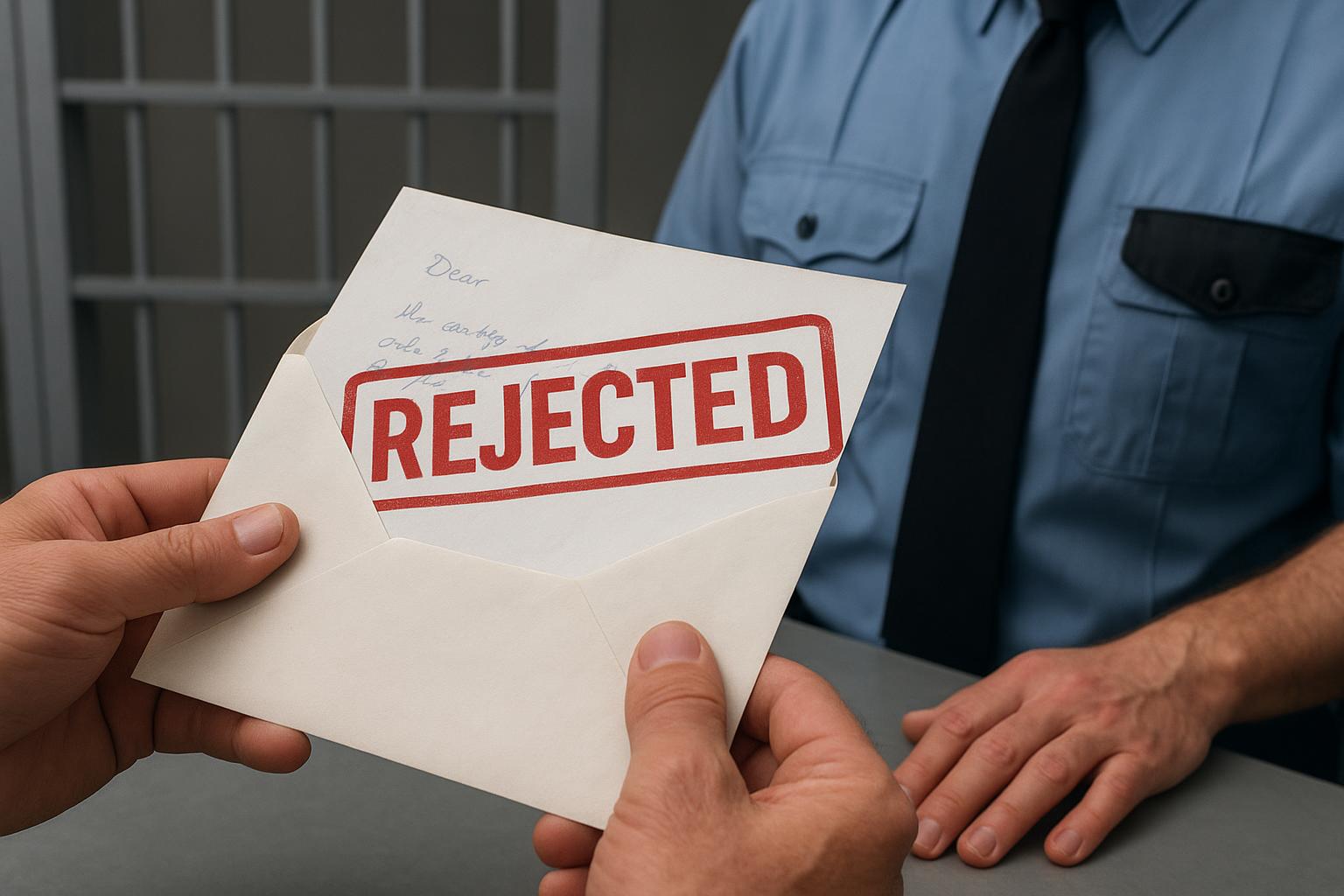
Most correctional facilities follow a predictable set of standards when they screen incoming photos. Knowing those expectations cuts down on delays, returned mail, and angry phone calls to the mailroom. Photo rejection criteria for prison mail are not a mystery. They’re a mix of safety, security, and behavioral control concerns applied to every item that enters a housing unit.
### How Screening Works In Practice
When a photo arrives, a staff member checks it against written policies and a few common-sense rules. They look for contraband risks, coded messages, gang identifiers, and anything that could provoke violence or disrupt order. They’ll also apply basic photo standards like size, whether it’s a Polaroid or glossy print, and if the image contains any prohibited content.
This process is manual in most places. That means one person’s judgment can influence whether a photo gets accepted. That’s why clear, consistent preparation on the sender’s part matters.
## Common Reasons Photos Are Rejected
Facilities vary, but the main categories repeat: safety, security, policy, and administrative. Below are the most frequent causes of inmate photo rejection.
### Explicit Or Sexual Content
Sexual imagery is a leading cause of photo rejection. Most prisons ban nudity and suggestive poses. That includes breaching attire, partially exposed bodies, and images meant to arouse. A family snapshot can be rejected if someone in the background is shirtless or if clothing is revealing.
### Gang-Related Symbols And Hand Signs
Any symbol tied to a gang or group is treated as hostile. Tattoos, hand signs, and specific numbers or colors get flagged. Even subtle cues that look harmless to outsiders can read as recruitment or affiliation inside. If you aren’t sure about a tattoo or emblem, leave it out.
### Weapons, Drugs, Or Contraband Depictions
Pictures of firearms, knives, drugs, or drug paraphernalia are routinely rejected. This includes staged photos that display replica weapons or items that mimic contraband. A hunting rifle in a backyard portrait can be a problem.
### Threats, Insults, Or Harassment
Photos accompanied by written threats, derogatory writing on the back, or images meant to ridicule someone will be turned away. Staff look for signs that a photo is intended to provoke a specific person or group.
### Revealing Personal Information
Photos that show inmates’ wristbands, ID badges, or documents with addresses and phone numbers can get rejected because they could reveal protected details. The facility may allow a photo without the identifying elements if the sender edits or crops them out.
### Poor Physical Format
Some prisons reject certain formats outright. Polaroids and glossy instant photos are often not accepted because they can’t be photocopied easily or might contain embedded chemical traces. Photos larger than the allowed size or glued into cards might be returned too.
### Multiple Images Within One Item
A single mail item containing a stack or collage of photos might be treated differently. If the envelope contains several photos and any one photo violates rules, the whole batch can be rejected. That’s an easy way to lose several otherwise acceptable pictures.
## What The Rules Usually Say — And What They Mean
Policies are full of specifics, but they boil down to a few practical checks.
### Prohibited Content Versus Allowed Content
Most prison photo rules make a list: what’s banned and what’s okay. Banned content typically includes nudity, gang signs, weapons, drug use, and pornographic material. Allowed content commonly includes family portraits, children, and neutral landscapes. But tone matters. A family photo with a visible handgun in the background is not neutral.
### Size And Material Restrictions
Many institutions limit photo size to 4×6 or 5×7. They may require that photos be unmounted and on plain paper. Some restrict glossy finishes or Polaroids. These physical rules are often about practical handling and copying, not moral judgment.
### Backside Messages And Enclosures
Anything written on the back of a photo can be read and may violate rules. Explicit sexual content, gang codes, or instructions are immediate red flags. Some facilities allow short notes on separate sheets of paper but will not allow writing on the photo itself.
### Sender And Recipient Limitations
There are rules about who can send photos and who can receive them. For instance, some facilities allow photos only from immediate family or approved correspondents. If an inmate’s privileges are restricted, they may lose the ability to receive photos entirely.
## How To Prepare Photos To Avoid Rejection
A little forethought changes outcomes. You don’t need to be an expert, just methodical.
### Remove Or Edit Problematic Backgrounds
When taking or selecting a photo, scan the background. Remove firearms, license plates, and tattoos if possible. Crop the image to exclude problematic elements. Many basic phone editors work fine. If someone’s making a sign with their hands, don’t include that shot.
### Keep Clothing Appropriate
Ask people in the picture to wear ordinary day clothes. Avoid provocative outfits. Even a swimsuit photo for a child at the beach can be interpreted differently in a correctional setting. Aim for neutral, everyday clothing.
### Use Plain Paper And Standard Sizes
Print on plain, non-glossy paper at a standard size. If the facility allows 4×6, stick to that. Don’t tape photos into cards. Don’t attach staples or adhesives that could be used to smuggle items.
### Avoid Excessive Personal Info
Do not write names, addresses, or phone numbers on the back of photos. If you must include contact information, send it on a separate, plain sheet of paper following the same mail rules. Keep the photo itself clean.
### Consider A Digital Preview
If you have access to the facility’s policy, match the image against the list of banned items. When in doubt, send a different photo. A close-up portrait of a smiling child is almost always safer than a more creative but risky shot.
## What Happens When A Photo Is Rejected
Policies set the steps staff take after identifying a violation. The course of action varies by facility.
### Immediate Return Or Destruction
Some prisons return rejected photos to the sender with an explanation. Others destroy the items. If the mailroom records indicate destruction, the sender might not be reimbursed for costs. Keep receipts and track what you send.
### Notification To Sender Or Inmate
A staff member may notify the inmate that a photo was rejected and why. In some places, the sender receives a notice. But there are facilities that do neither. The lack of transparency is frustrating but common.
### Sanctions Against The Inmate
If a pattern of inmate photo rejection indicates rule-breaking, the inmate can face consequences. That ranges from loss of mailing privileges to disciplinary action. Repeated infractions create bigger problems than a single returned photo.
## Dealing With Specific Scenarios
A few situations come up repeatedly. Here’s practical advice.
### Photos From Minors Or Children
Pictures of children are generally allowed, but be aware of context. Avoid sexualized poses, swimwear that’s explicit for the child’s age, or suggestive captions. A family portrait in a living room is safe. A staged glamour shot is not.
### Photos Showing Tattoos Or Large Logos
If a photo reveals tattoos with lettering or logos, consider whether they have a gang meaning. When unsure, crop or blur them. Many places will permit a cropped photo that removes the problematic mark.
### Mail From Outside The Country
International mail often undergoes closer scrutiny. Different paper types, postal markings, or foreign identifiers might slow processing. Keep images simple and follow the receiving facility’s guidelines closely.
#### If Your Picture Uses Unusual Materials
Some novelty prints or photo paper with metallic elements get held because they can’t be copied. If you’ve used specialty paper, replace it with standard photographic paper before sending.
## What To Do If You Disagree With A Rejection
Disputes happen. There are steps you can take without escalating emotionally.
### Read The Policy First
Ask for the facility’s written mail policy. It often explains the exact reason a photo was rejected and the rule it violated. You may find that something you sent was prohibited by a specific line in that policy.
### File An Appeal Or Request Review
Many institutions have an internal review process. File a written appeal that addresses the specific rule you allegedly violated. Be factual. Point out edits or context that mitigate the issue.
### Send A Revised Photo
If the rejection came with an option to resubmit, make the changes and resend. Sometimes the fastest route is correcting what was wrong and trying again.
### Contact A Supervisor If Needed
If you suspect arbitrary or inconsistent application of prison photo rules, escalate politely to a supervisor. Keep records of dates, staff names, and the images you sent. A calm, documented approach is more effective than heated complaints.
## Practical Examples That Illustrate The Rules
Examples make rules tangible. Here are three short, real-world scenarios to show how photo rejection criteria for prison mail play out.
### Example One: The Backyard BBQ
A family photo at a backyard barbecue gets rejected because a rifle leans against a shed in the background. The sender could crop the image and resend. That small change often fixes the issue.
### Example Two: The Hand-Sign Selfie
A group selfie shows a teenager making a hand sign. The mailroom flags the image as gang-related. The sender resends a similar shot without the sign, and it is accepted.
### Example Three: The Polaroid Gift
Someone sends Polaroid prints glued into a homemade card. The facility rejects them for format concerns. Reprinting on standard paper and removing adhesives resolves the problem.
## Notes On Variability
No two facilities are identical. A photo acceptable in one state prison may be rejected in another county jail. Policies change over time, especially after incidents. If you send photos regularly, check the facility’s rules every few months.
A final practical tip: if you’re sending photos as part of a care package or with other mail, separate them so that a single violation doesn’t spoil everything. Keep copies of images you send so you can reproduce a corrected version if needed. Small precautions save a lot of hassle and reduce the chance of an inmate photo rejection turning into a bigger issue.
recieve feedback from the mailroom and adapt your approach accordingly.




Leave a Reply