
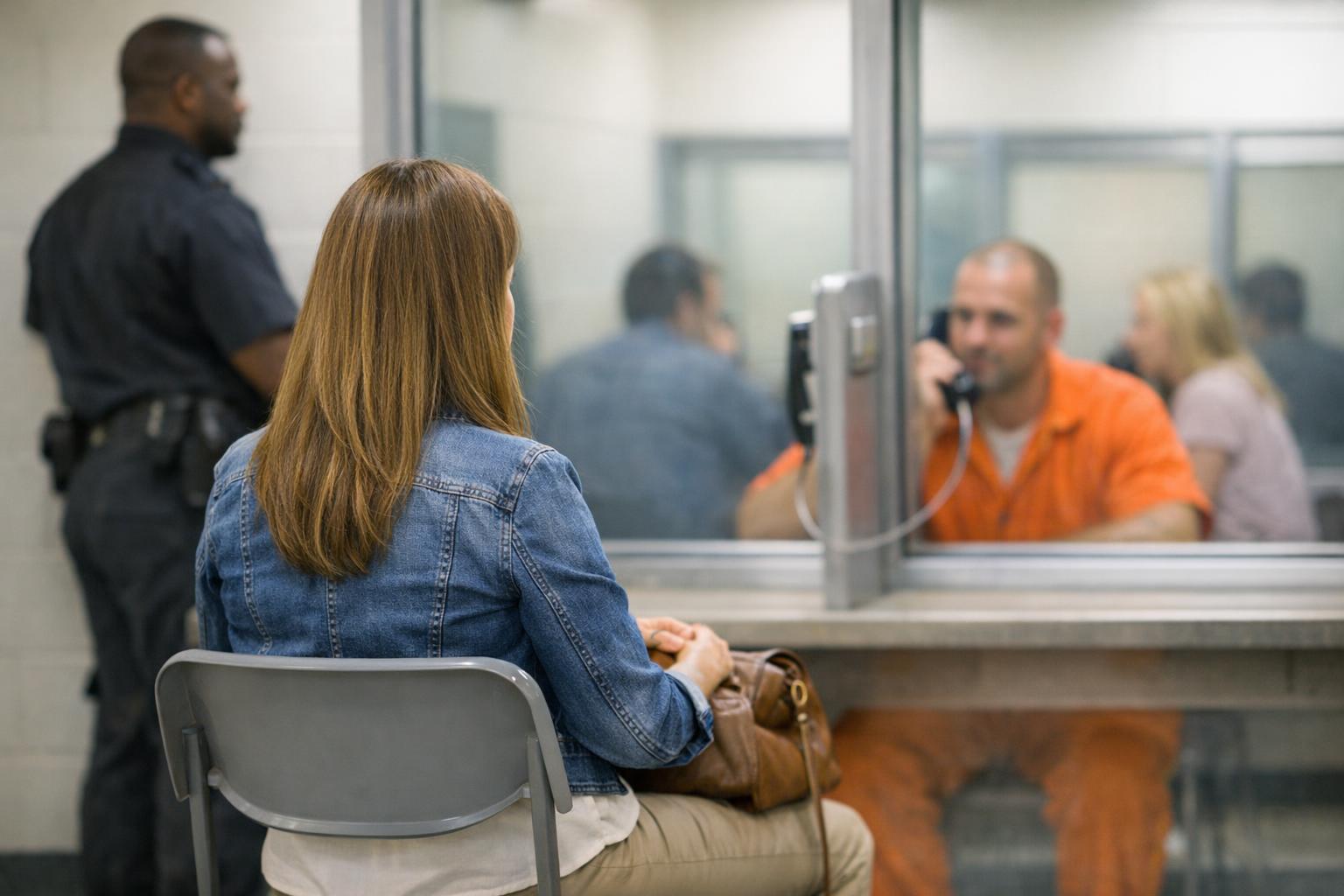
Walking into a visitation room can feel like stepping onto a stage where the costume must be respectful, practical and accepted. Whether you’re visiting a loved one in a county jail, state prison or federal facility, understanding dress codes ahead of time keeps the focus where it belongs: on the person you came to see. Below are imaginative yet practical guidelines to help you choose the right outfit, avoid common pitfalls and handle last-minute clothing emergencies.
## What To Wear To Prison Visitation: Dress Code Basics
Rules vary by facility, but the core idea is consistent: choose modest, conservative clothing that shows respect for the institution. When considering what to wear to prison visitation, think of the outfit as a neutral uniform — clean, simple, and free of anything that could be interpreted as provocative, gang-affiliated, or security-risky.
– Colors and Patterns: Opt for solid, muted tones (navy, black, gray, brown, pastels). Avoid bright neon colors, bold logos, and images that draw attention. Many facilities prohibit clothing that resembles inmate uniforms or law enforcement apparel.
– Fit and Coverage: Clothes should be comfortable but not revealing. Tops should have sleeves and cover cleavage; skirts and shorts should reach at least mid-thigh or below (facility-specific). Avoid sheer fabrics, mesh, or excessively tight garments.
– Materials and Layers: Breathable, wrinkle-resistant fabrics work best. Denim and athletic wear are sometimes banned in certain jails — check the facility rules. Bring a light sweater or jacket to manage temperature differences between outdoors and visitation rooms.
– Footwear and Accessories: Closed-toe shoes are usually safest. Remove hats, excessive jewelry, belts with large buckles, and items that could conceal contraband. Purses and bags may be limited or searched, so plan accordingly.
## Dress Code Details By Facility Type
Different institutions treat visitation attire differently. County jails tend to have stricter, simpler rules because turnover is higher; state and federal prisons may allow a bit more flexibility but still enforce modesty and safety standards. Always consult the facility’s official visitor page or call the visitation desk before visiting.
Different rules that can affect your choice of what to wear to prison visitation:
– Contact vs. Non-Contact Visits: Contact visits (physical contact allowed) often require more conservative dress to avoid accidental skin exposure. Non-contact visits might be slightly more lenient, but conservative attire is still expected.
– Video Visitation: Some facilities allow video visits from a designated room; while rules can be looser, the same respectful standards apply if the visit is conducted from within the facility.
– Children and Family Visits: If bringing children, choose practical, modest clothing for yourself and comfortable, supervised clothing for kids. Children’s apparel that mimics inmate or staff uniforms should be avoided.
### Common Items To Avoid
Avoid anything that could be misinterpreted or is commonly restricted: see-through tops, short skirts, ripped jeans, clothing with words or symbols referring to criminal activity, gang identifiers, camouflage, overly flashy jewelry, open-toed shoes in certain facilities, and anything that resembles a uniform (e.g., orange jumpsuits or blue scrubs). Before you leave, double-check whether the facility forbids denim, athletic wear, or specific colors.
### Tips For Comfort And Respect
Treat visitation attire as you would for an important, serious meeting. Neatness and simplicity speak volumes. Bring a small, compliant personal item kit: tissues, a pen (if allowed), and a compact fold to keep your ID and visitation paperwork organized. Remember that dressing respectfully can ease tensions during the visit and reflect positively on both visitor and inmate.
### Remedy 1: Emergency Stain Removal For Visitation Attire
If a last-minute coffee spill or makeup smudge threatens your visitation outfit, a quick, reliable stain-removal method can save the day. The following instructions are presented in a formal, stepwise manner to ensure effectiveness and safety for most common fabrics.
Ingredients / Required Materials:
– Clean white cloths or paper towels
– Cold water
– Mild liquid dish soap or gentle laundry detergent
– White vinegar (optional, for protein or tannin stains)
– Baking soda (optional, for deodorizing)
– Small spray bottle (optional)
– Plastic bag or ziplock for containment
Step-By-Step Procedure:
1. Act Quickly: Blot — do not rub — the affected area with a clean, dry white cloth to lift as much of the stain as possible.
2. Rinse With Cold Water: Hold the stained area under cold running water from the backside of the fabric to flush out the stain particles.
3. Apply Gentle Soap Solution: Mix a drop of mild liquid dish soap with a cup of cold water. Using a clean cloth, dab the solution gently onto the stain. Work from the outer edge inward to prevent spreading.
4. Blot and Rinse: Continue blotting with a clean cloth until the stain lightens. Rinse with cold water.
5. For Persistent Stains: If the stain is protein-based (blood, sweat) or tannin-based (coffee, tea), apply a 1:1 mixture of white vinegar and water to the area, let sit 5 minutes, then blot and rinse.
6. Dry Carefully: Pat the area with a dry cloth and allow to air dry; avoid heat which can set some stains.
7. Containment: If you need to transport the garment without re-washing immediately, place it in a plastic bag to prevent residue transfer.
Notes: Test any solution on a hidden seam before applying to visible areas. This remedy is intended for small, localized stains in emergencies; for delicate fabrics (silk, suede) consult a professional cleaner.
### Remedy 2: Quick No-Sew Hem And Button Fix For Inmate Visitation Dress
A popped button or a dropped hem can be solved with low-tech, quick fixes that preserve a tidy look for your visit. These steps emphasize safety, simplicity and minimal tools.
Ingredients / Required Materials:
– Small safety pins (assorted sizes)
– Double-sided fashion tape or hem tape
– Extra buttons (if available)
– Needle and thread (optional) or a portable sewing kit
– Small scissors
Step-By-Step Procedure:
1. Replacing A Button Quickly:
a. If the original button is available, thread a needle and sew it back on by making several small stitches securely. Tie off with a double knot and trim excess thread.
b. If no sewing is possible, use a small safety pin on the inside of the garment aligned with the buttonhole to hold the overlap together discreetly.
c. If you have a spare button, attach it in the same manner.
2. Temporarily Fixing A Dropped Hem:
a. Use hem tape for a clean, temporary bond. Clean and dry the hem area.
b. Place a narrow strip of hem tape between the hem fold and the garment. Press firmly with a warm (not hot) iron if the tape requires heat — test on an inside seam first.
c. If no tape is available, use small safety pins folded inward to secure the hem from the underside so they are not visible.
3. Final Appearance Check: Stand in natural light and smooth the fabric. Ensure no pins or tape are visible and that movement won’t expose inner fixes.
Notes: These are temporary repairs for the duration of the visit. For a permanent solution, sew the button properly or visit a tailor.
#### Quick Pre-Visit Checklist
– Valid ID and visitation approval documents
– Facility-specific dress code confirmation
– Clean, modest outfit that follows the rules
– Minimal jewelry and compliant shoes
– Emergency kit: stain remover cloths, hem tape, safety pins
### Remedy 3: Deodorizing Clothing Without A Washer
If your chosen outfit smells off and laundry isn’t an option right before the visit, a gentle deodorizing method can refresh fabric without harsh chemicals.
Ingredients / Required Materials:
– Baking soda
– Water spray bottle
– Essential oil (lavender or lemon), optional
– Clothes hanger or drying rack
– Clean plastic bag or garment bag (for transport)
Step-By-Step Procedure:
1. Lightly Sprinkle: Hold the garment over a trash can and lightly sprinkle baking soda over the armpits and any odor-prone areas. Let sit 10–15 minutes.
2. Shake Out: Shake the garment outdoors to remove excess baking soda.
3. Mist Lightly: Fill a spray bottle with water and add 2–3 drops of essential oil if desired. Lightly mist the garment from a distance—do not saturate.
4. Air Dry: Hang the clothing on a hanger in a well-ventilated area for at least 30 minutes.
5. Contain For Travel: Place the refreshed garment in a clean plastic bag to keep it fresh until you leave.
Caution: Test essential oil on a hidden area first for fabric discoloration. Avoid overuse, as strong scents might be restricted in some facilities.
Throughout your planning, remember to verify rules with the specific facility because policies differ and can change. Use the remedies above as practical, formal solutions when small emergencies threaten your visitation attire. Treat the visit with the same thoughtful preparation you’d devote to any meaningful encounter, and let your wardrobe underscore the respect and intention behind the trip.



Leave a Reply